🌏 KOSPI −3.12% — why 110 trillion won disappointed
Samsung fell 8.7% on its largest-ever shareholder-return plan — big, but smaller than the price. The Kosdaq rose; Singapore inflation near a 2-year high.

Samsung fell 8.7% on its largest-ever shareholder-return plan — big, but smaller than the price. The Kosdaq rose; Singapore inflation near a 2-year high.

Seoul closed up 0.88% with 681 decliners to 193 advancers; Kosdaq fell 4.63%; Indonesia printed a record current-account deficit. Weight is not breadth.
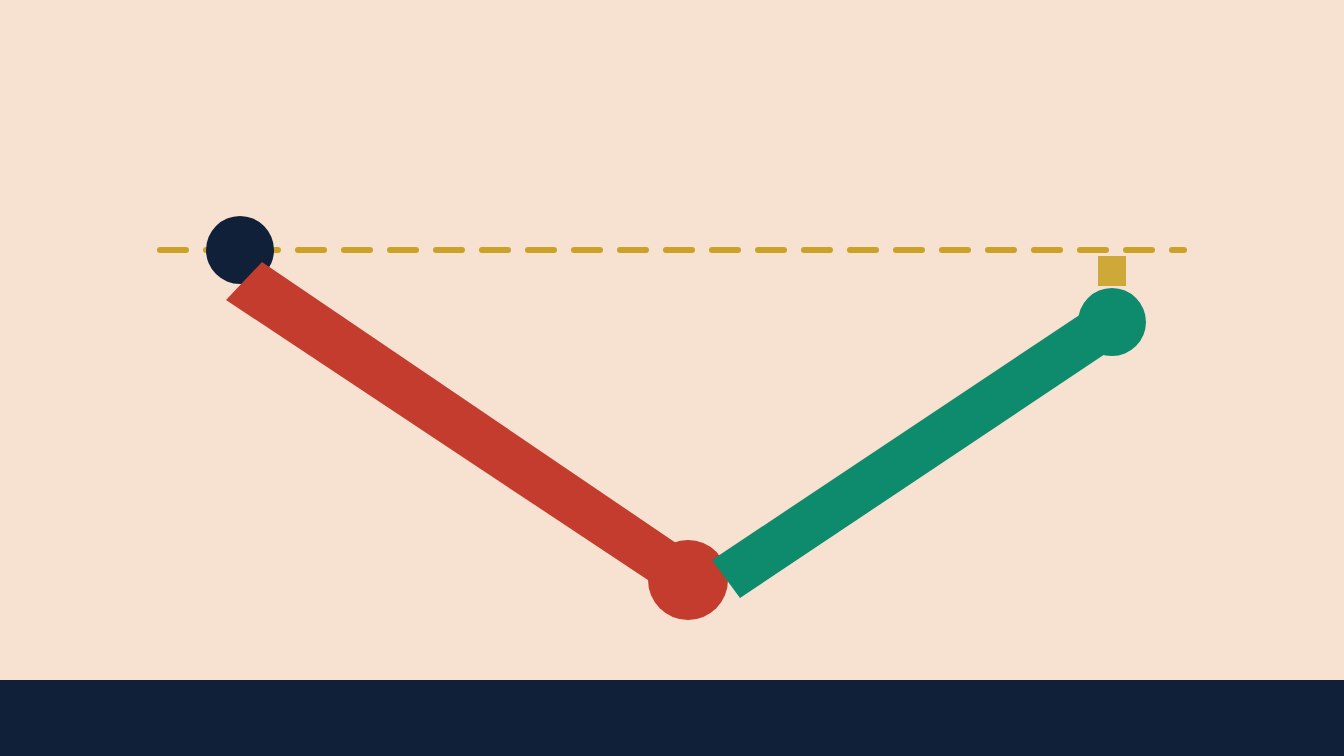
Seoul rose 5.89% after the US Treasury doubled its long-bond buybacks — and still closed below Tuesday. Why a fall and a rise of equal size don't cancel.

Seoul fell 5.80% and triggered a sidecar — yet the won closed below 1,400 for the first time since October. When two gauges disagree, read the currency.

Japan's 10-year yield hit a 30-year high and Tokyo paid the bill. Seoul opened over 2% up and closed 1.55% down. How to read a day that reverses.

Tokyo climbed toward 70,000 on a weak GDP print while Seoul and Jakarta stayed closed. Why bad news can make a good day — and Tuesday's tells to watch.
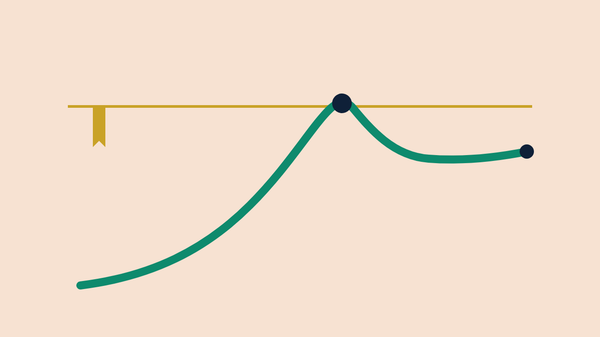
Seoul crossed 7,000 for the first time in 15 sessions and closed below it — why the close is the number that counts. Plus Thailand takes the SEA watch.
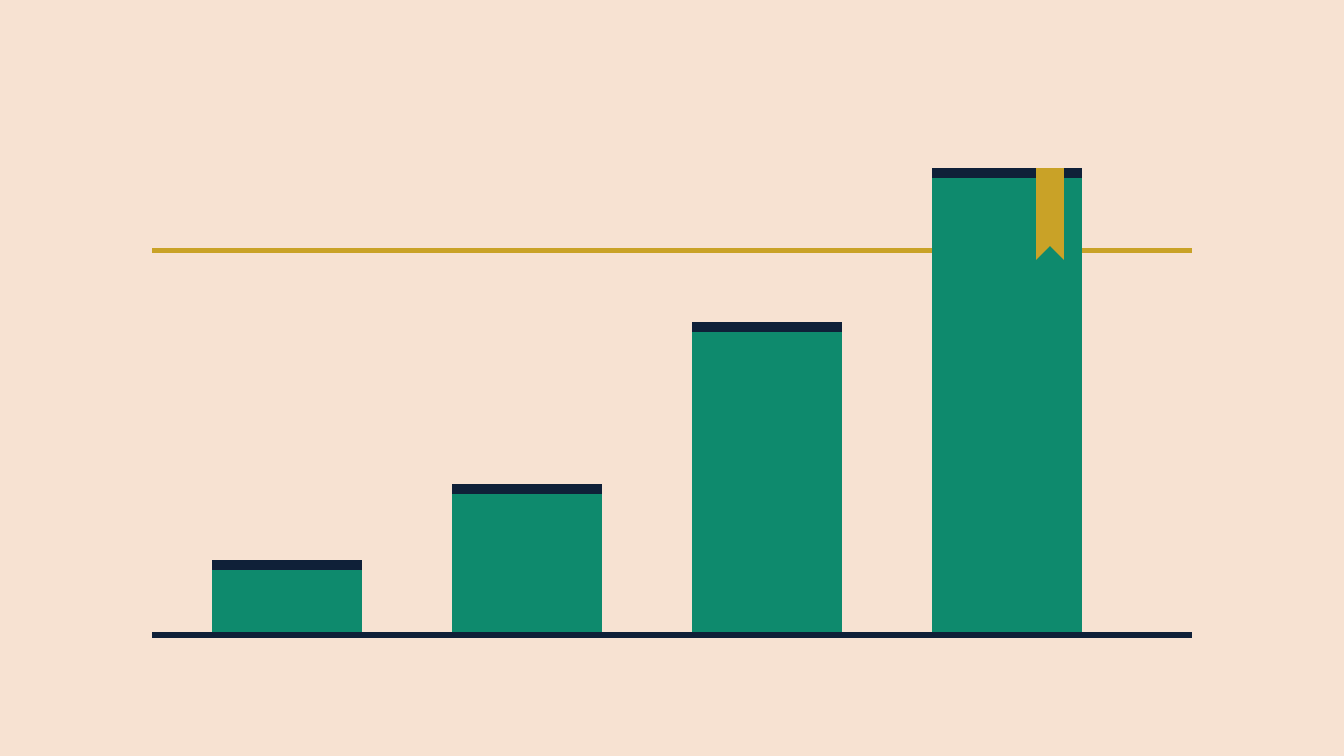
Four green days put Seoul 20% above its July low — the textbook bull-market line. What that label does and doesn't mean. Plus Singapore takes the SEA watch.
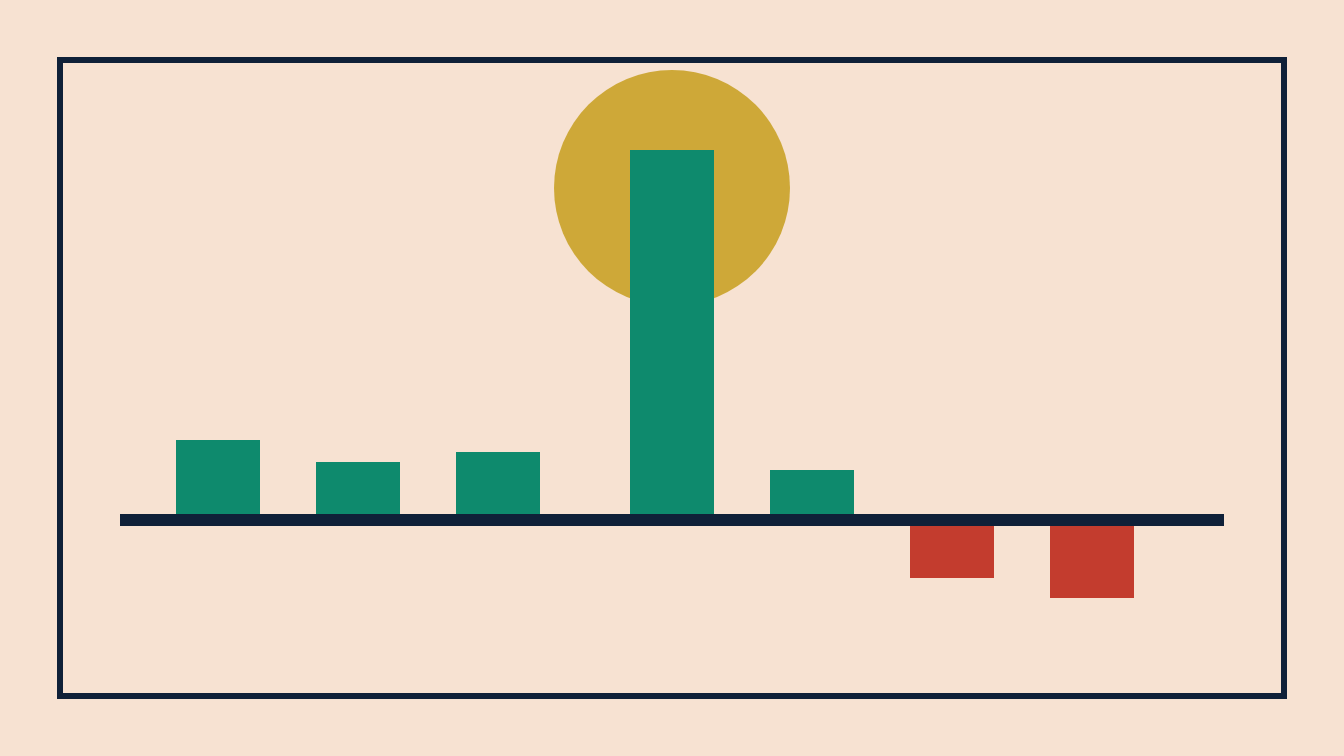
Seoul jumped 4.6% while the rest of Asia barely moved — today's chart shows how to spot a local story. Plus Vietnam takes its turn in the SEA watch.
Tokyo took a holiday; Seoul opened down 1% and closed up 1.2%. Plus: Jakarta's two gauges lean one way, and Indonesia's reserve cushion, explained.
Tokyo and Seoul closed higher after Friday's US jobs shock. The SEA watch reads Bangkok, and we decode why weak data can lift markets.
Japan and Korea slipped, Hong Kong and Shanghai rose, and the yen jumped late — Friday's Asia session, explained in plain words.