Why do Hong Kong's interest rates follow the Fed?
The Fed moved on Wednesday and Hong Kong's official rate followed within hours, by formula. The rates people borrow at answer to the peg on a slower clock.

The Fed moved on Wednesday and Hong Kong's official rate followed within hours, by formula. The rates people borrow at answer to the peg on a slower clock.
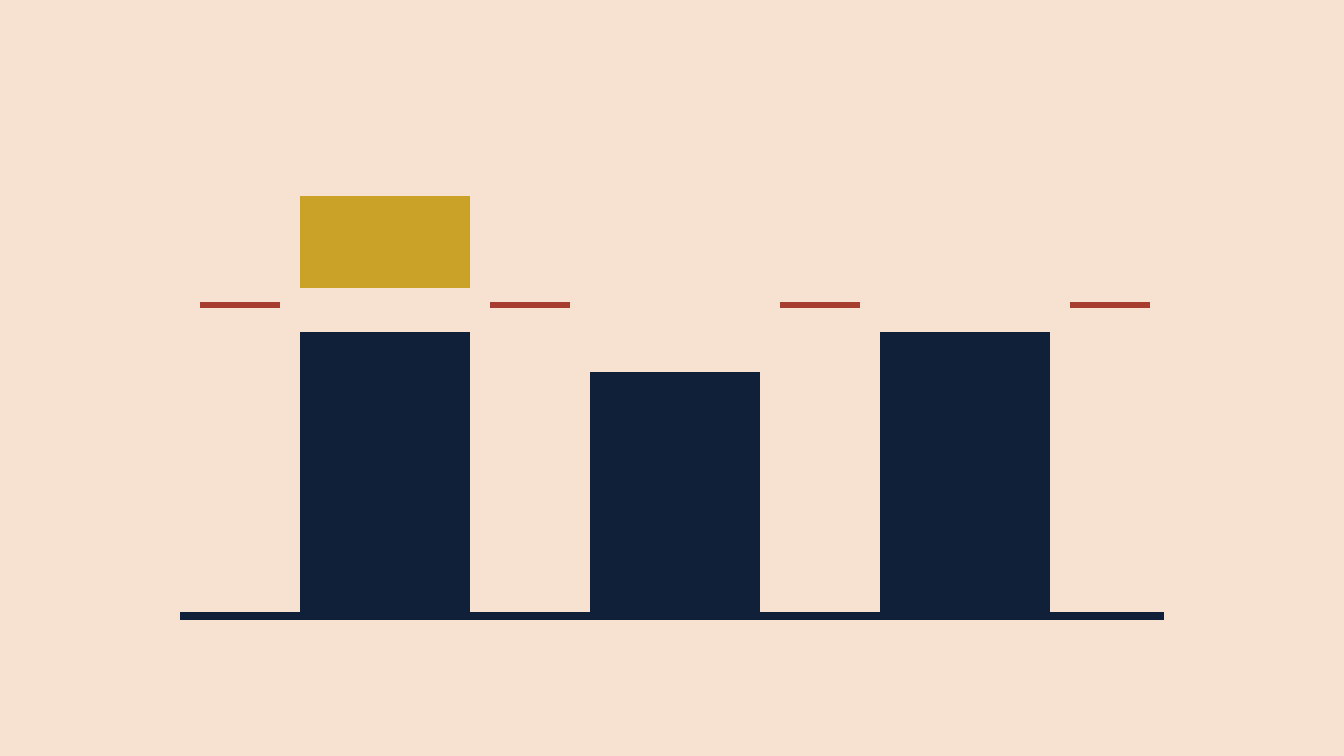
Two of nine board members voted no, citing prices under 2%. The statistics bureau's own footnote shows how much the energy measures took off.
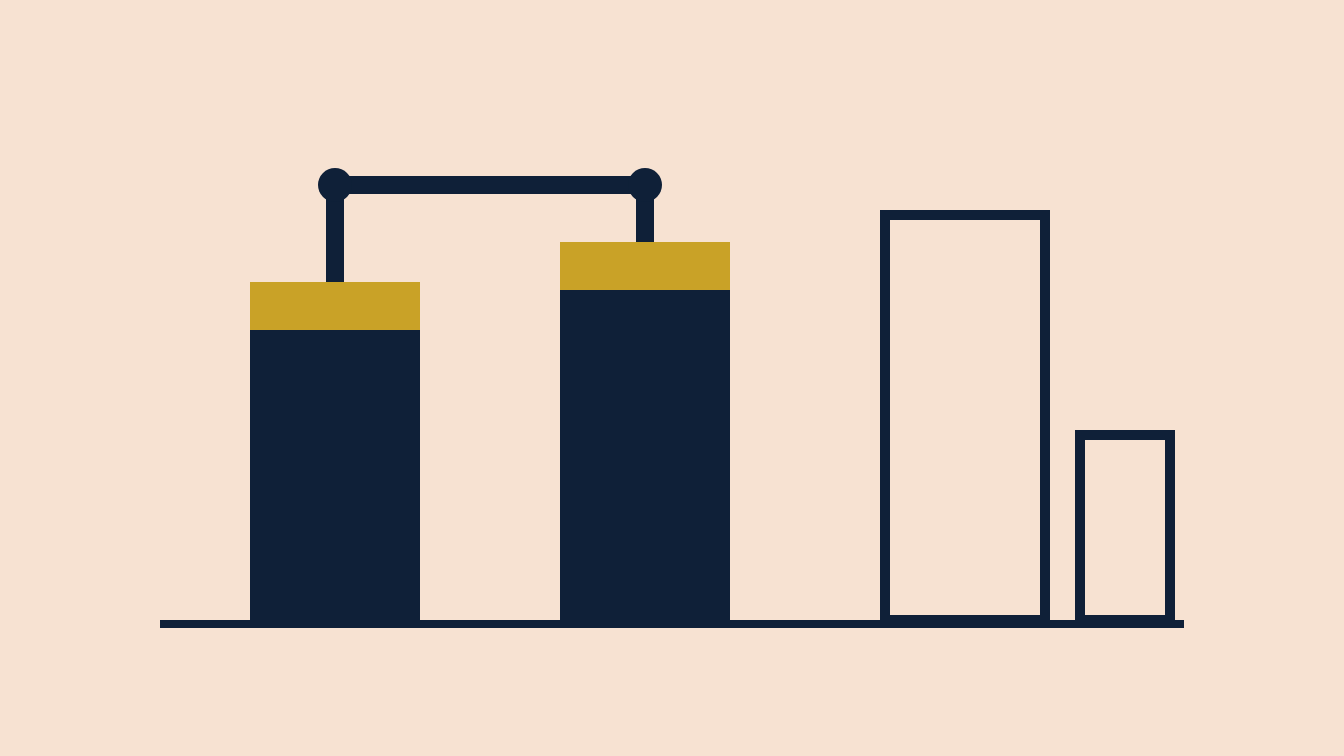
The Fed moved at 3 am Seoul time and Hong Kong's official rate followed by formula within hours. The rates people borrow at are another matter.
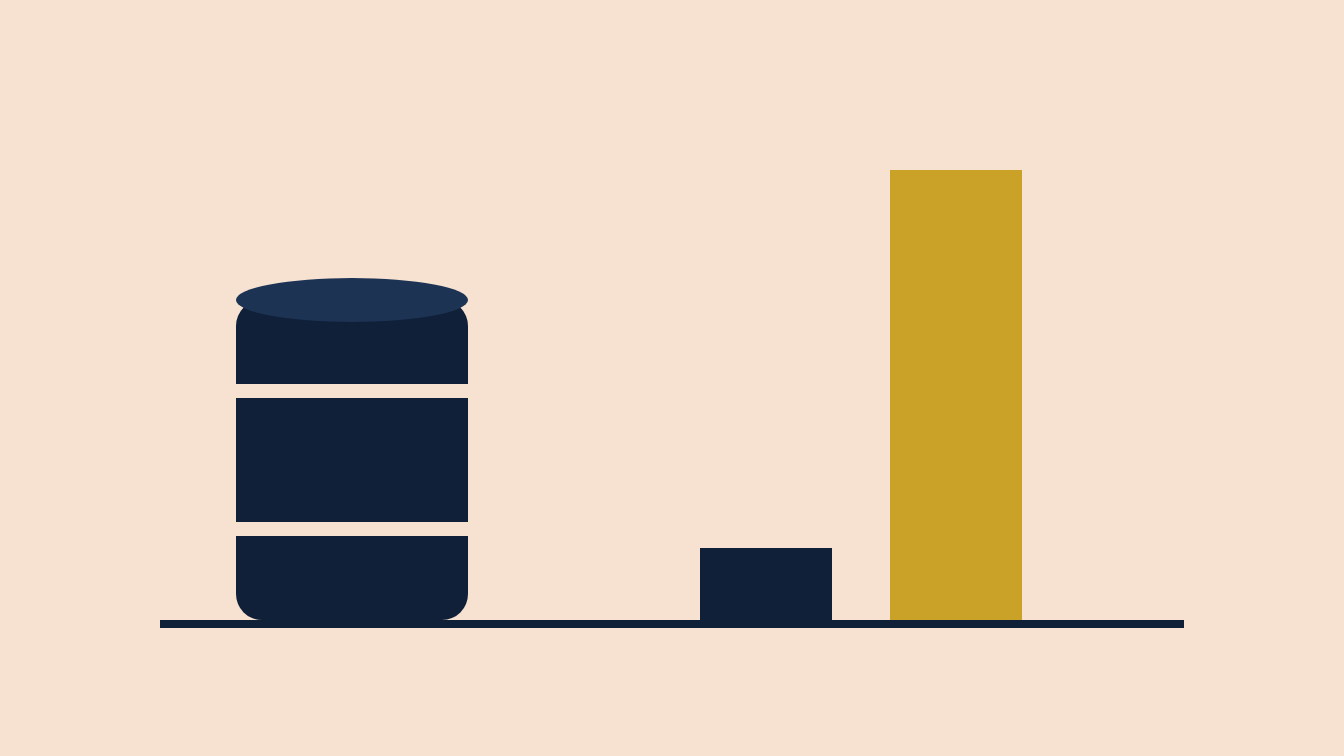
Japan's August trade gap hit ¥1.11 trillion. Read the crude line twice: once as barrels, once as yen, and the price shows up in the space between.

Seoul fell hardest on a weekend call to slow AI, Tokyo's broad index rose, and Korea's new evening session left the meaning of the close untouched.
On Monday the Nikkei rose 2.12% and the TOPIX 0.55%, same market, same session. The difference is the weighting rule, and it is worth understanding.

Friday's closes, the week's moves, and a Japanese import bill that reads one way in yen and another in the currency the deals were written in.
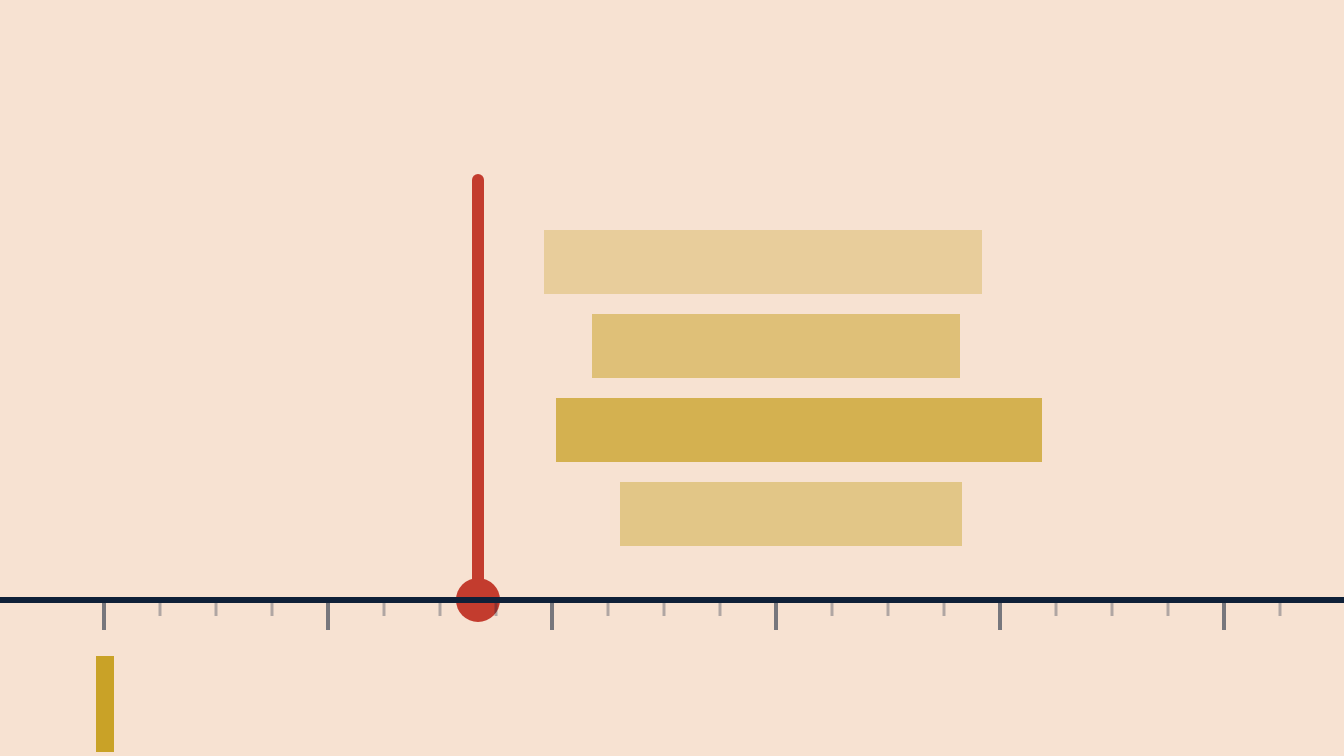
A Bank of Japan board member set today's 1.0% policy rate against a neutral range of 1.1% to 2.5%, and said why the second one cannot be a number.
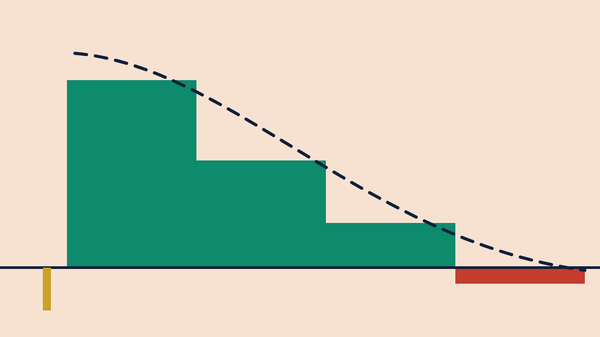
China's factory gate rose 3.8% in August, consumer prices 0.8%. The gap sits upstream, in mining and energy. Seoul closed above 7,000 after 33 sessions.
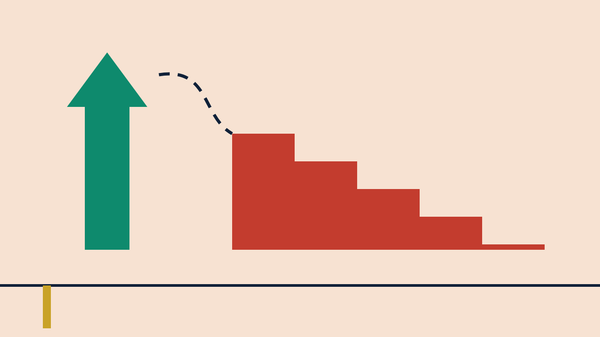
Tokyo's index sank 1.7% on a better growth number, because the yen jumped. Seoul touched 7,171.52 before lunch and closed 0.58% lower.
Separate the won's own move from the dollar's with the broad dollar index, the Seoul close and the ECB reference fix.
The two US series with the best record — the yield curve and jobless claims — with the whole Treasury curve and the BLS payrolls print beside them.
Real policy rates for the United States, the euro area and Korea from three sources — and the BIS axis that puts all three policy rates on one chart.
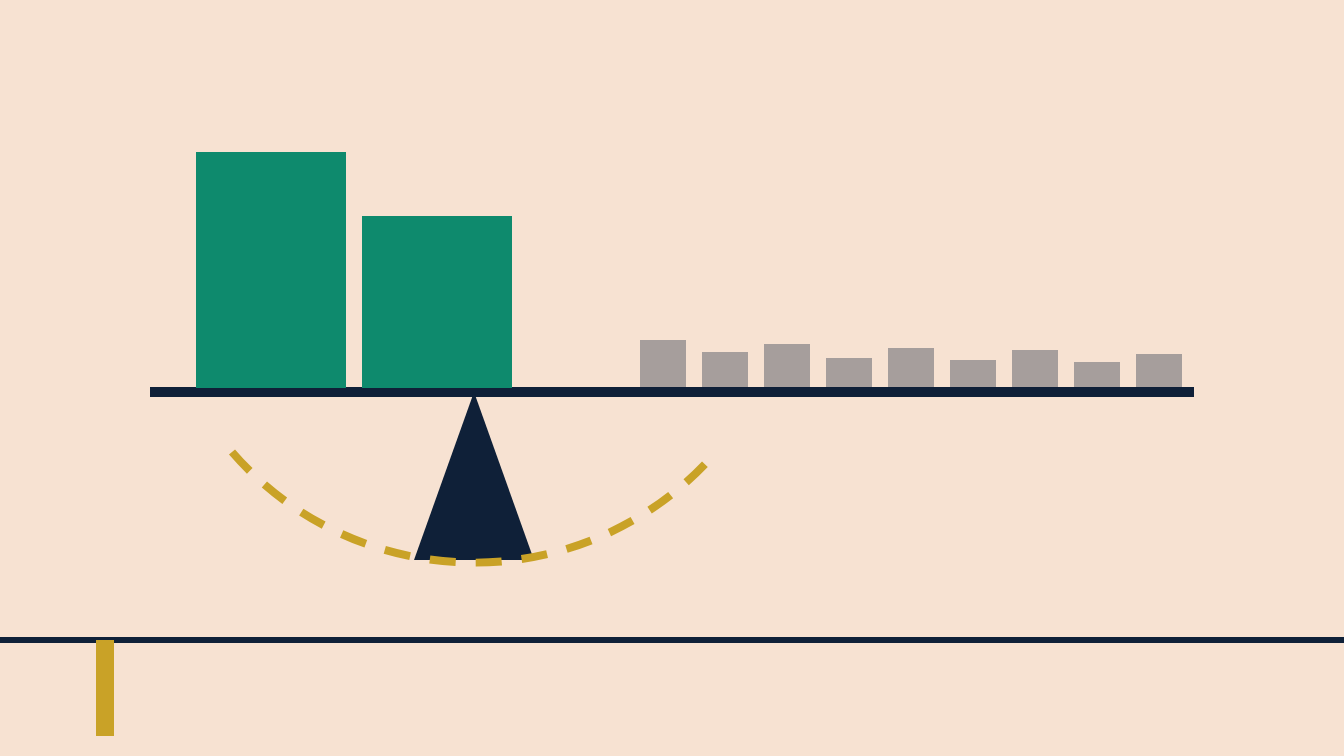
Seoul closed 4.61% up, five points short of 7,000. Tokyo's Nikkei rose 2.12% while 883 Prime shares fell and 630 rose. An index is a recipe.
evergreen
Korea's inflation rate rose to 3.1% largely because of a phone discount in August 2025. How base effects work, and the three checks that expose one.
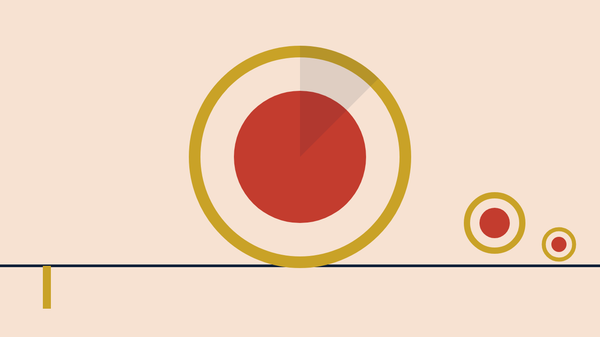
Real spending fell 3.6% in July, the steepest since January 2024. In yen it fell 1.5%. The gap is prices. Seoul closed up 1.64%, Tokyo up 1.26%.
Seoul's 1% morning became a 1.9% afternoon loss and a flat close. The yen at a one-month high under 157 on BoJ hawks. China's two services surveys disagree
Brent near $95 and a 4.81% US 10-year sent Seoul down 4%; Hong Kong closed flat. Korea's inflation: 3.1%, and 0.58 points of it is last year's phone bill.
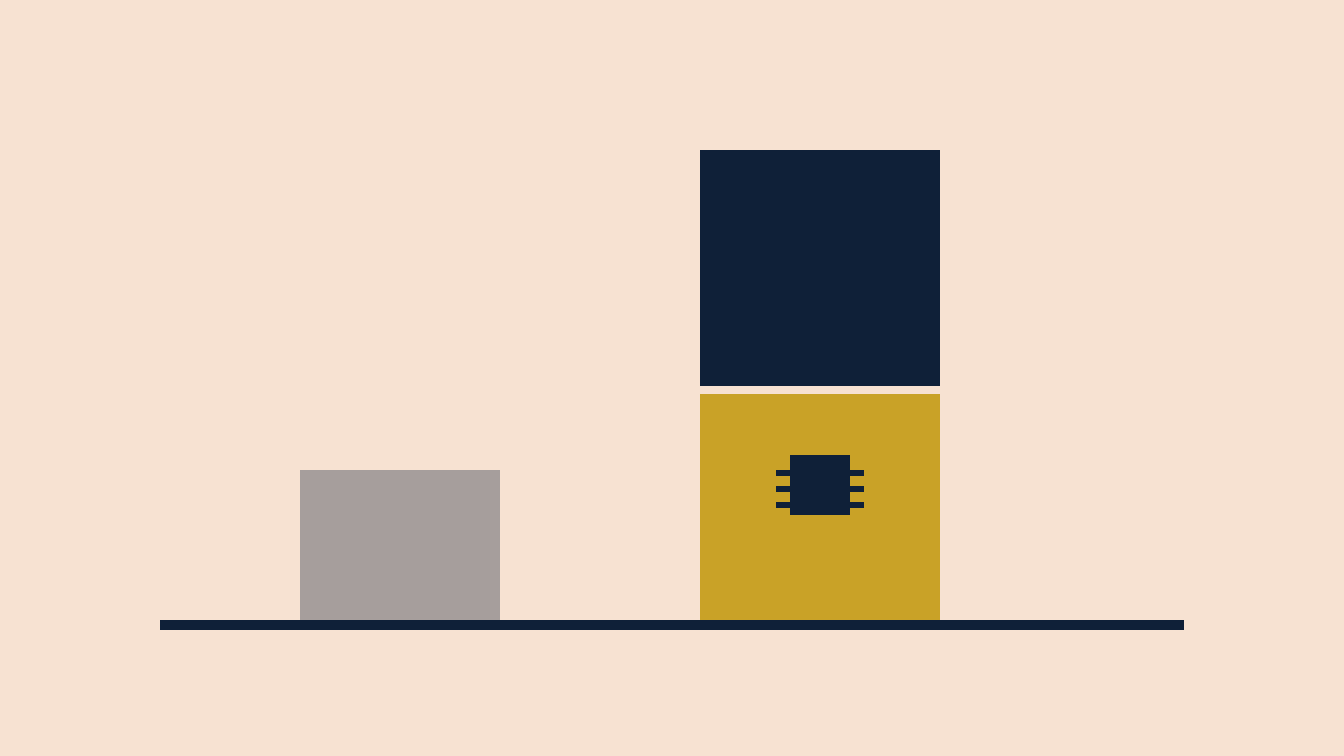
Korea's August exports hit $98.25bn, chips $46.65bn of it. Also: Japan's 10-year yield at 3% for the first time since 1996, and Vietnam's import cover.
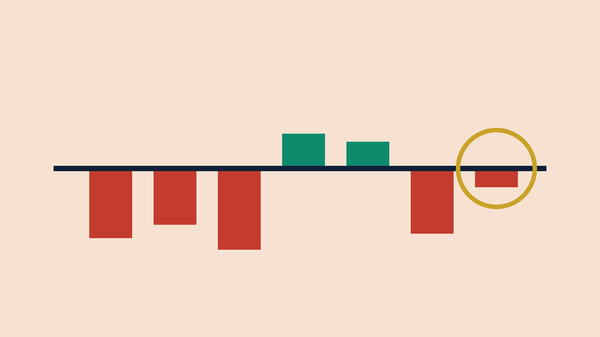
Seoul opened sharply lower on Warsh and closed higher. Today: China's factory PMI at 49.8, what the 50 line really measures, and Singapore's currency band.
evergreen
Seven rate-setters, three dots each, six months ahead. How to read the pile, the median and the shift, and what the dots are not.
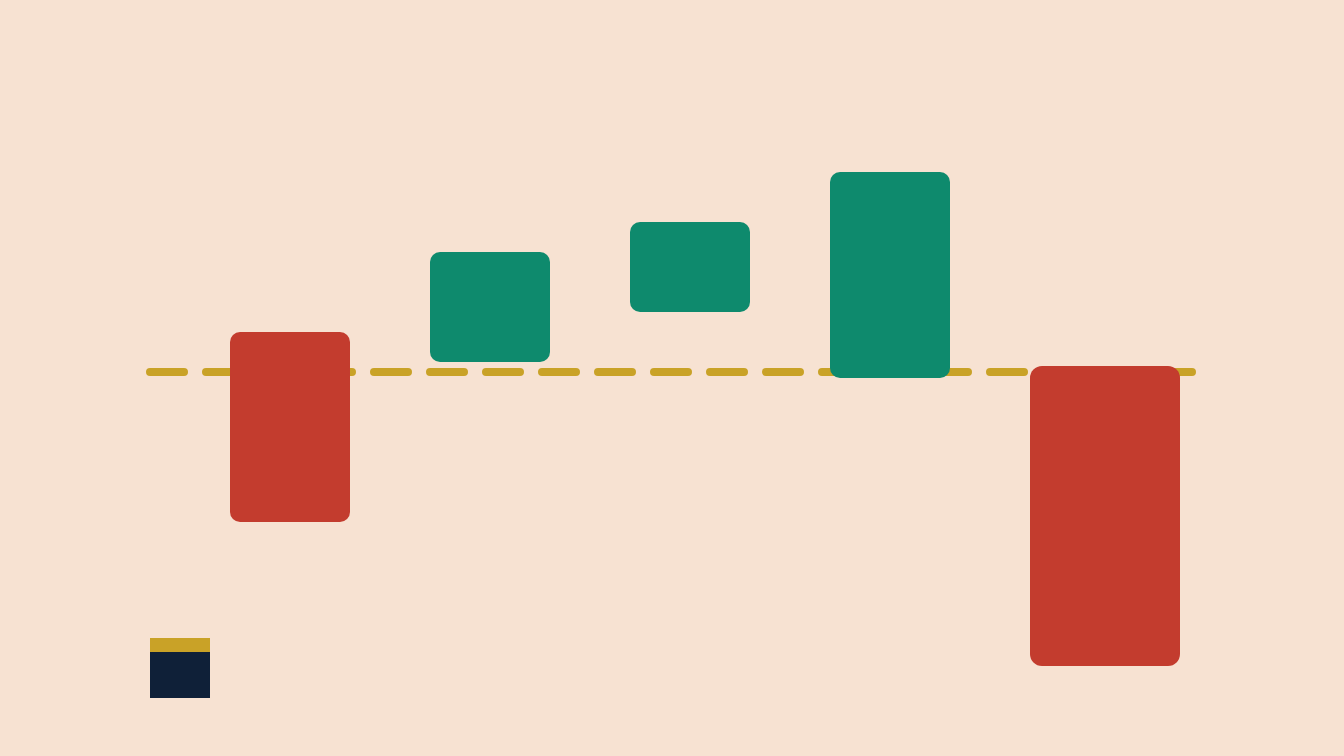
Seoul fell 1.8% on Friday and sits 1.8% below last Friday: Monday to Thursday netted to nothing. Also: Tokyo's inflation preview and Thailand's reserves.
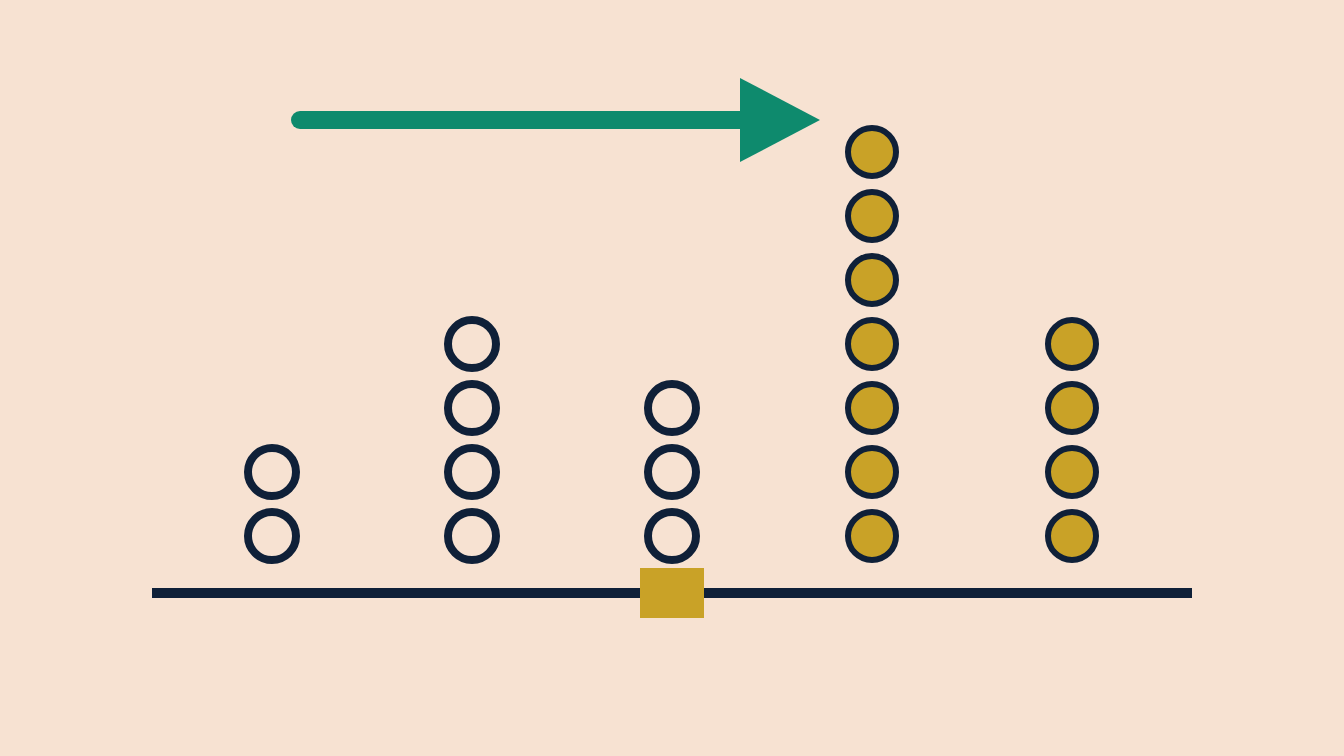
Korea's second straight hike; the KOSPI rose 1.5% on Nvidia anyway. Today: how to read a central-bank dot plot — and Jakarta's current-account gauge.
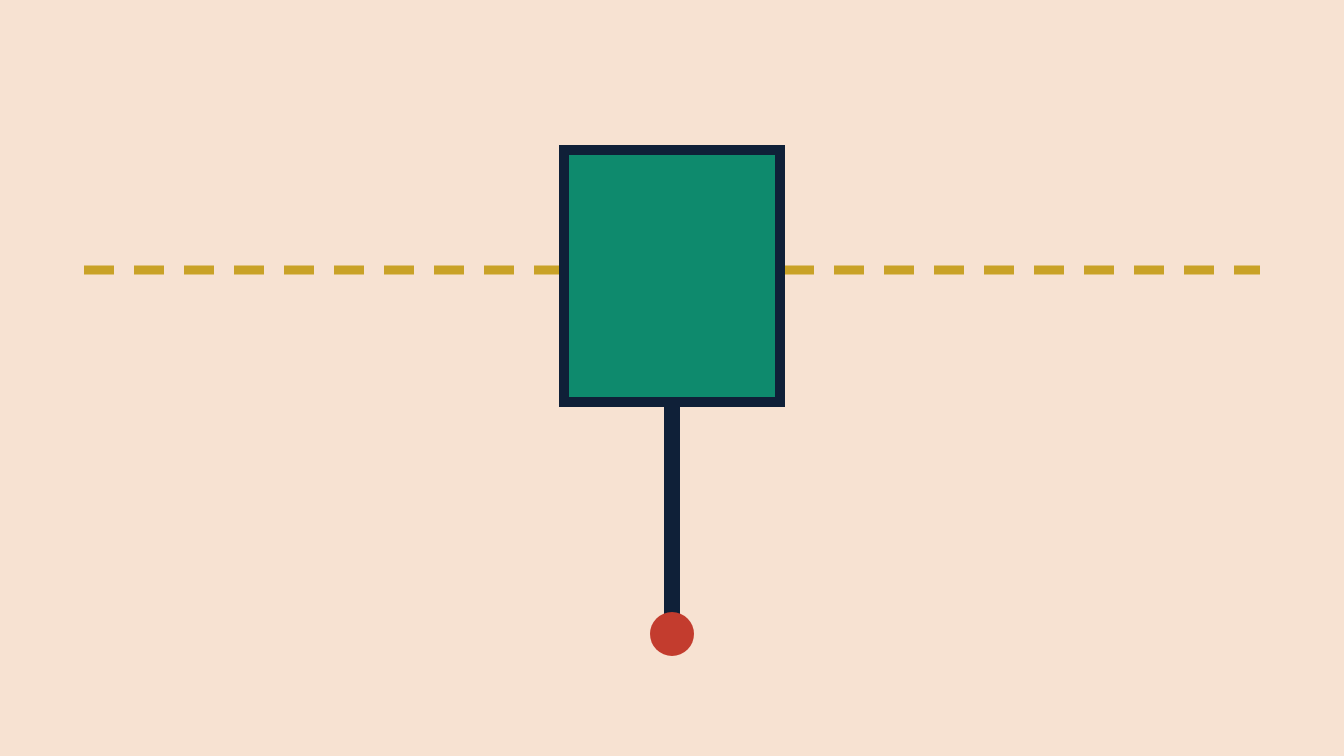
Seoul gapped down on New York's chip rout, touched 6,408, and closed near its high. Today: reading a daily candle — and Vietnam's FTSE countdown.