What is the difference between retail sales value and volume?
Value is money through the till; volume is what it bought once prices are taken out. In August, Britons spent more on fuel and bought less of it.

Value is money through the till; volume is what it bought once prices are taken out. In August, Britons spent more on fuel and bought less of it.
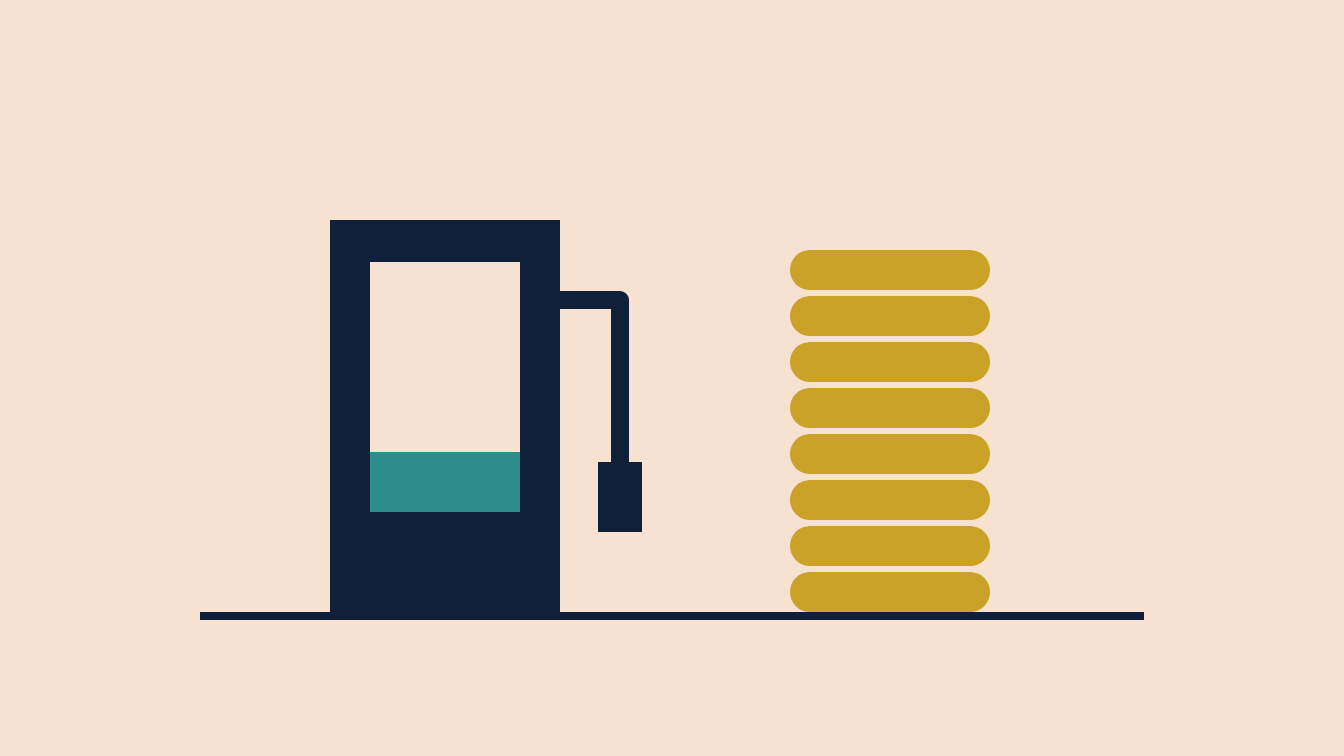
The Bank of England split the same way as in July. This morning's shop figures show why prices and quantities have to be read side by side.

Saudi Arabia raised its rate to 4.50% within hours of the Fed's first rise since 2023. The Bank of England decides at noon London time today.

UK inflation rose to 3.1% in August from 2.9%, and core held at 2.6%. The whole move was one month's arithmetic. The Bank of England decides on Thursday.
German motorway freight fell sharply from July to August and rose at the same time. Both are true. A plain-words guide to adjusted economic numbers.
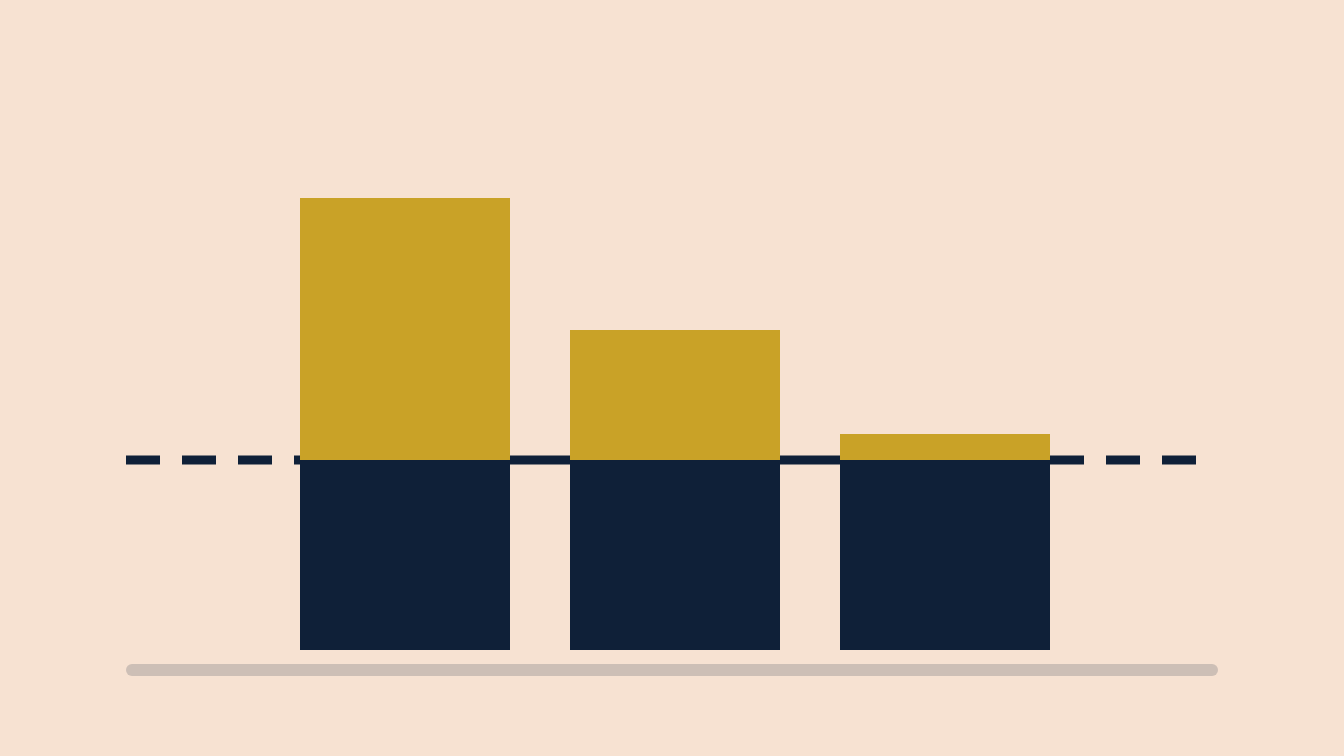
Thursday's rate rise, Friday's closes and a red week for every European board, plus a projection that narrows the gap to 2% without closing it.

German inflation was confirmed at 2.9% for August. Heating oil rose 49.6% in a year, and the group of prices it belongs to still got cheaper.

German industrial figures run a month behind. The motorway toll index does not. Raw, August's mileage fell; adjusted, it rose. The gap is the lesson.
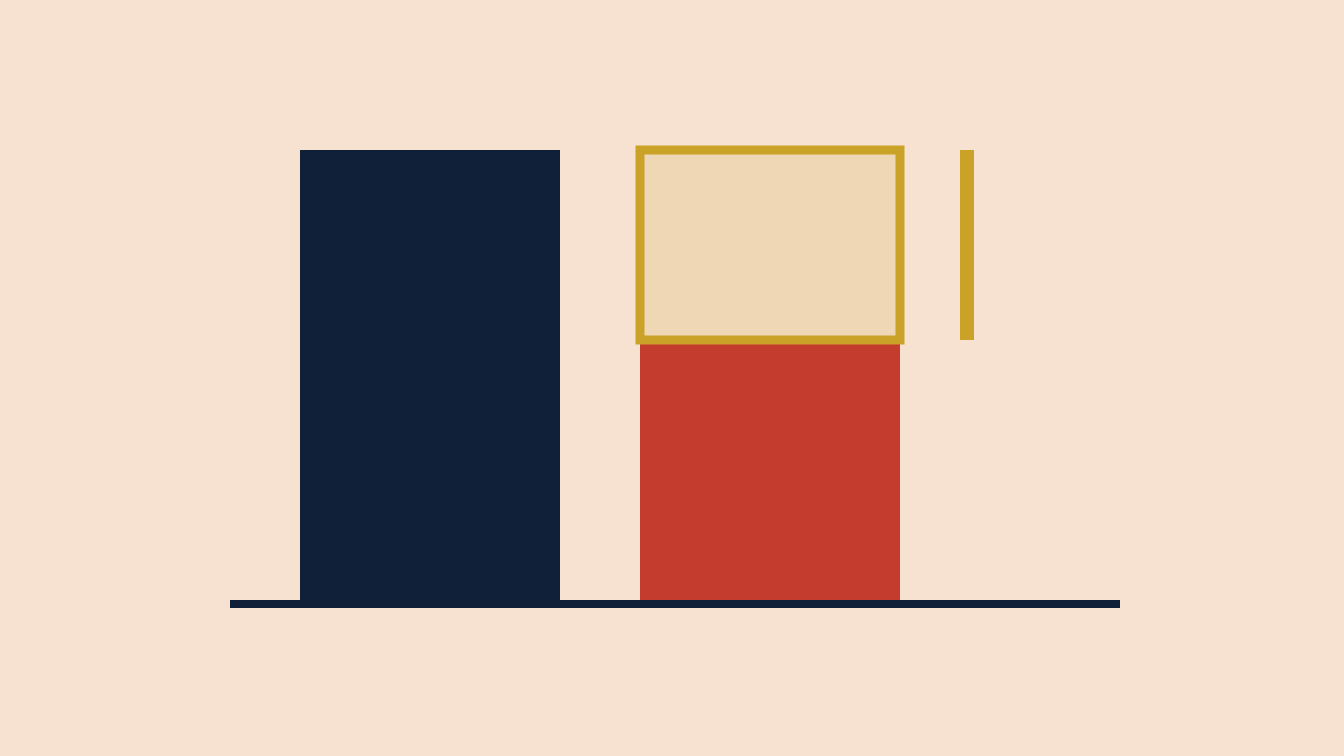
July's trade surplus was the widest since August 2024. Exports fell 0.8%, imports fell 5.7%. A balance can widen for two very different reasons.
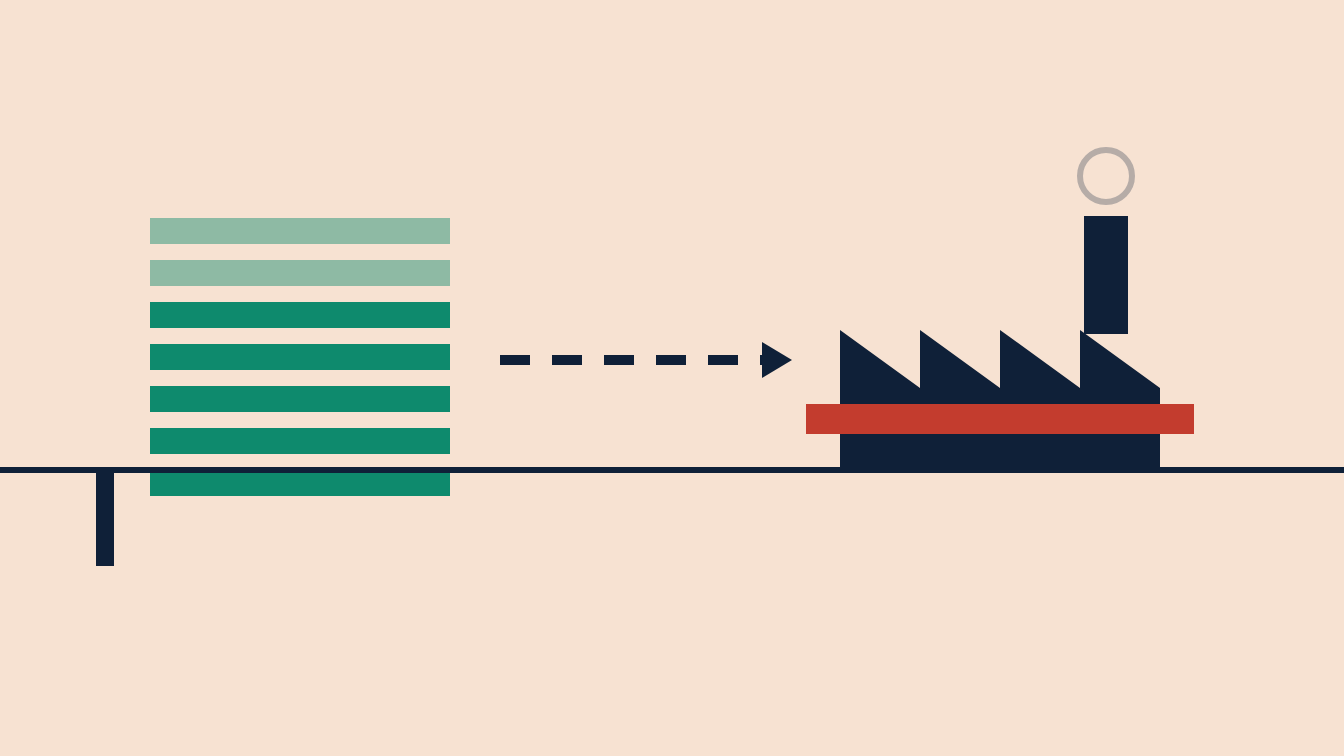
July production fell 1.1%, the steepest in nearly a year, three days after orders rose 2.5%. A car-plant shutdown did most of it.
One contract for ships or aircraft can carry a national statistic. Why Destatis publishes two order figures, and which one answers which question.
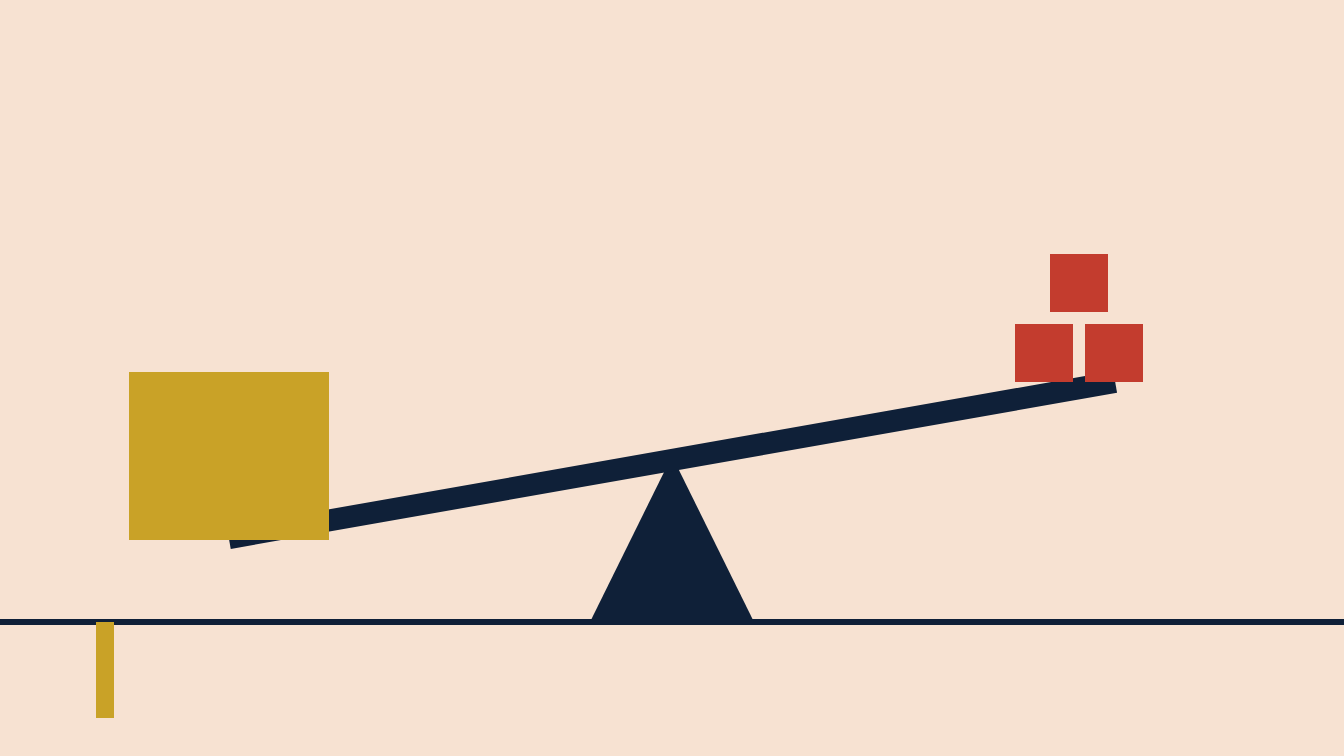
July factory orders beat forecasts by two points. Strip out the large contracts and the order book shrank, in the month and across the quarter.

Euro-area producer prices rose 1.6% in July alone and 5.8% on the year; energy +5.6% on the month, the rest flat. Bond yields paused. Today: the pipeline.
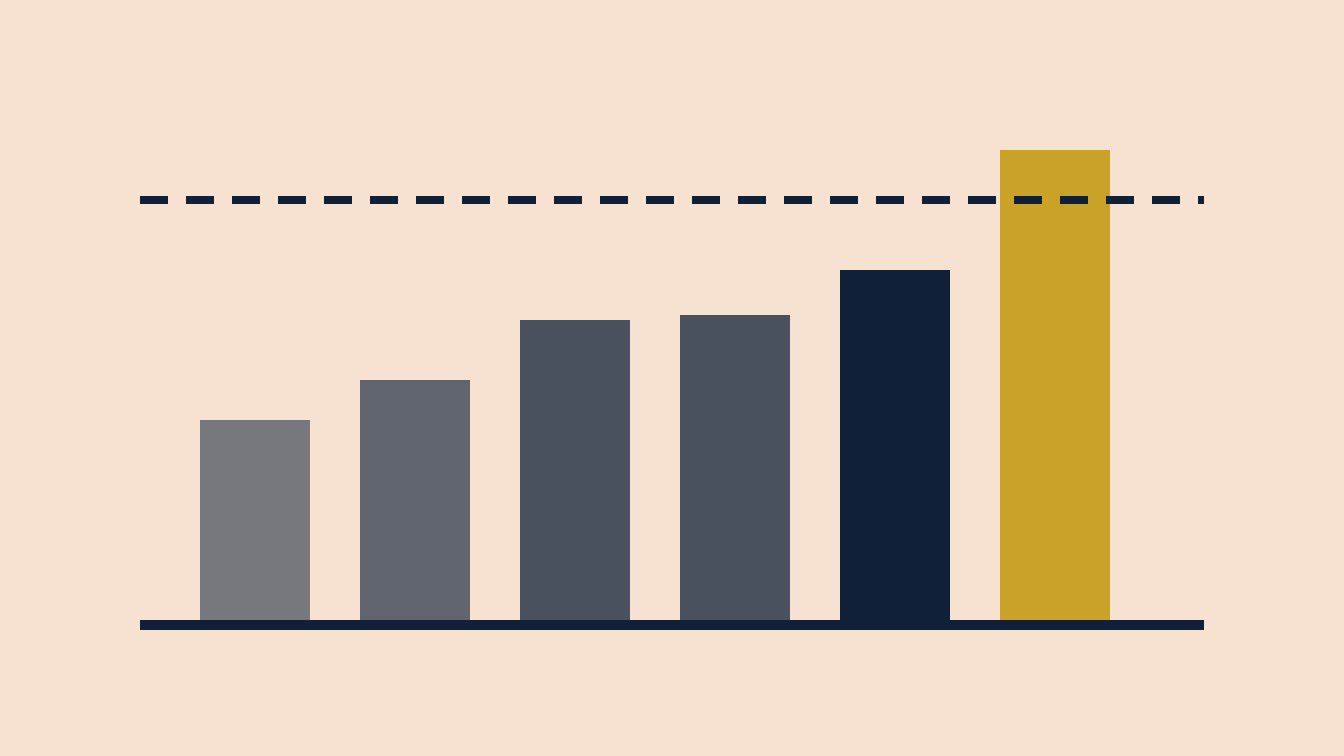
Gilts at a 2008 high, Bunds at a 2011 high, Treasuries at a 3-year high after new US strikes on Iran. Tuesday's closes, and how to read a 10-year yield.
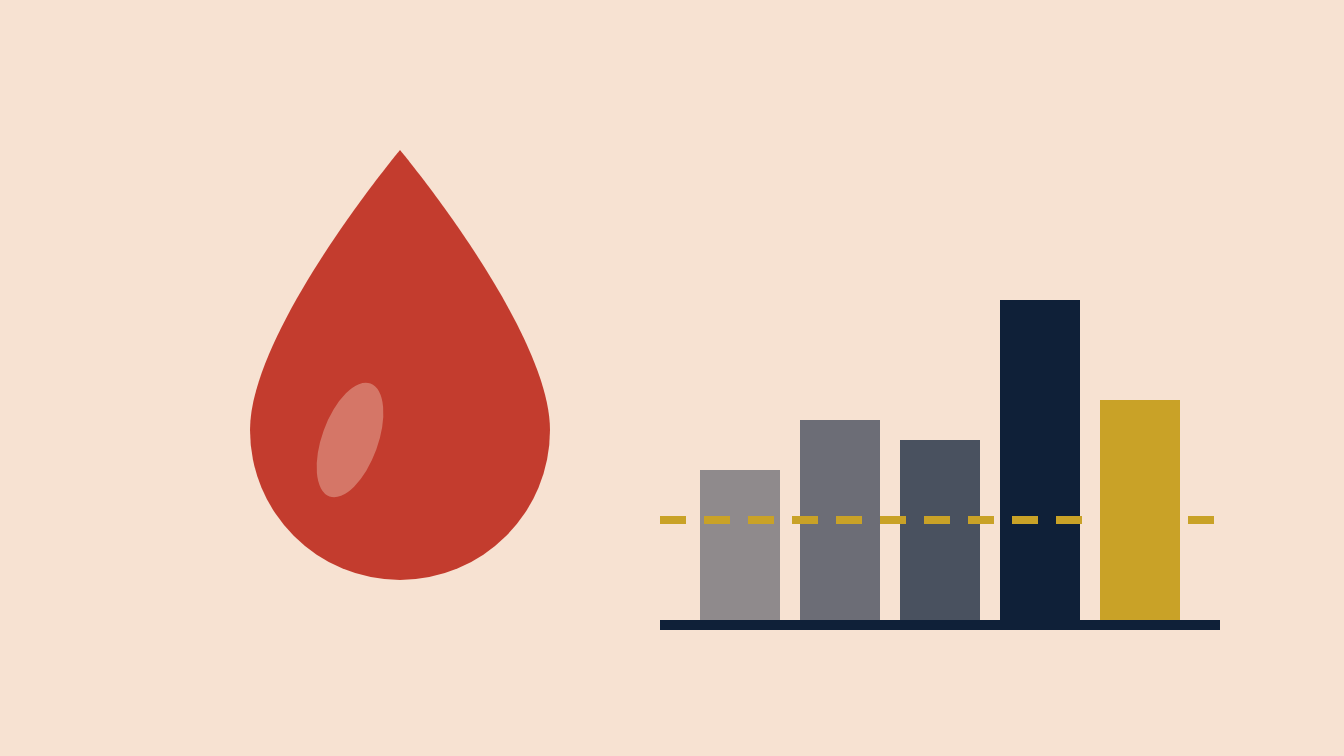
Euro-area inflation rose to 3.3% in August from 2.9%. Energy did it, up 14.3%; core slipped to 2.4%. Today: how to read headline against core.
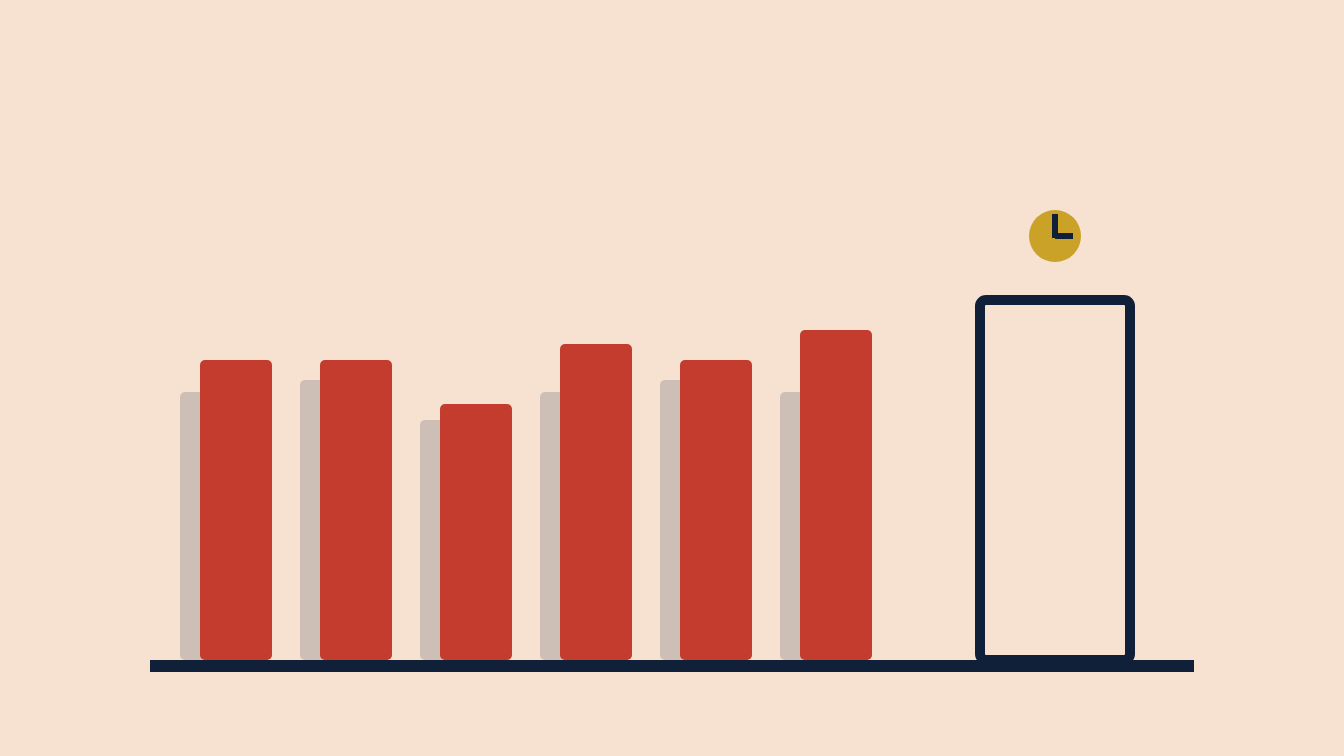
Six German states published August inflation this morning, all higher than July, three at 2.9%; the national flash follows at 2 pm. Today: the parts first.
Explainers
France prints 2.4% and 2.7% on the same morning. What the harmonised index is, why it differs from the national CPI, and which one the ECB reads.
France's harmonised inflation hit 2.7% in August (2.4% in July) and Spain's 4.5%, both on energy. Today: why every euro country has two inflation rates.
Nvidia's record $96.2bn quarter lifted Europe's chipmakers on Thursday morning while the STOXX 600 sat flat at 656.41. Today: how index weight works.

Brent settled at $87 and the 10-year Bund yield closed at 3.20%, its lowest since mid-August. Today: how an oil price travels into a bond yield.
The Ifo business climate hit 88.8 in August against 87.2 expected — a fourth rise in a row and a year's high. Today: reading a survey against its forecast.
Friday's +0.59% ended the STOXX 600's seven-day slide — and the wires can't agree why. One credits the PMI beat, one short-covering. Both can be right.
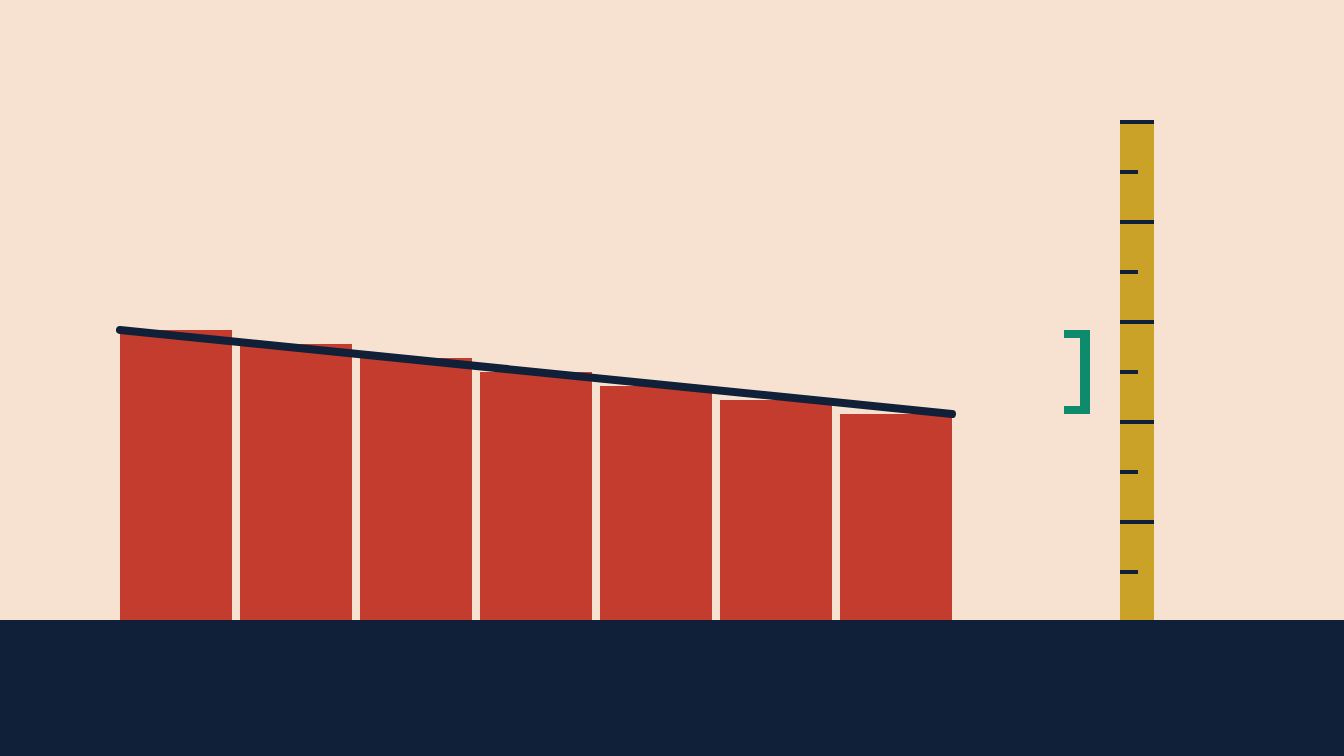
The STOXX 600 fell for a seventh straight session, its longest run since 2023 — and lost about 1.5% doing it. Why a streak and a slide differ.

The US Treasury doubled long-bond buybacks to $4bn an operation; yields and the dollar fell — yet BNP and ING dropped 2.4%. A flat index hid a split market.