How do you read the Fed's dot plot?
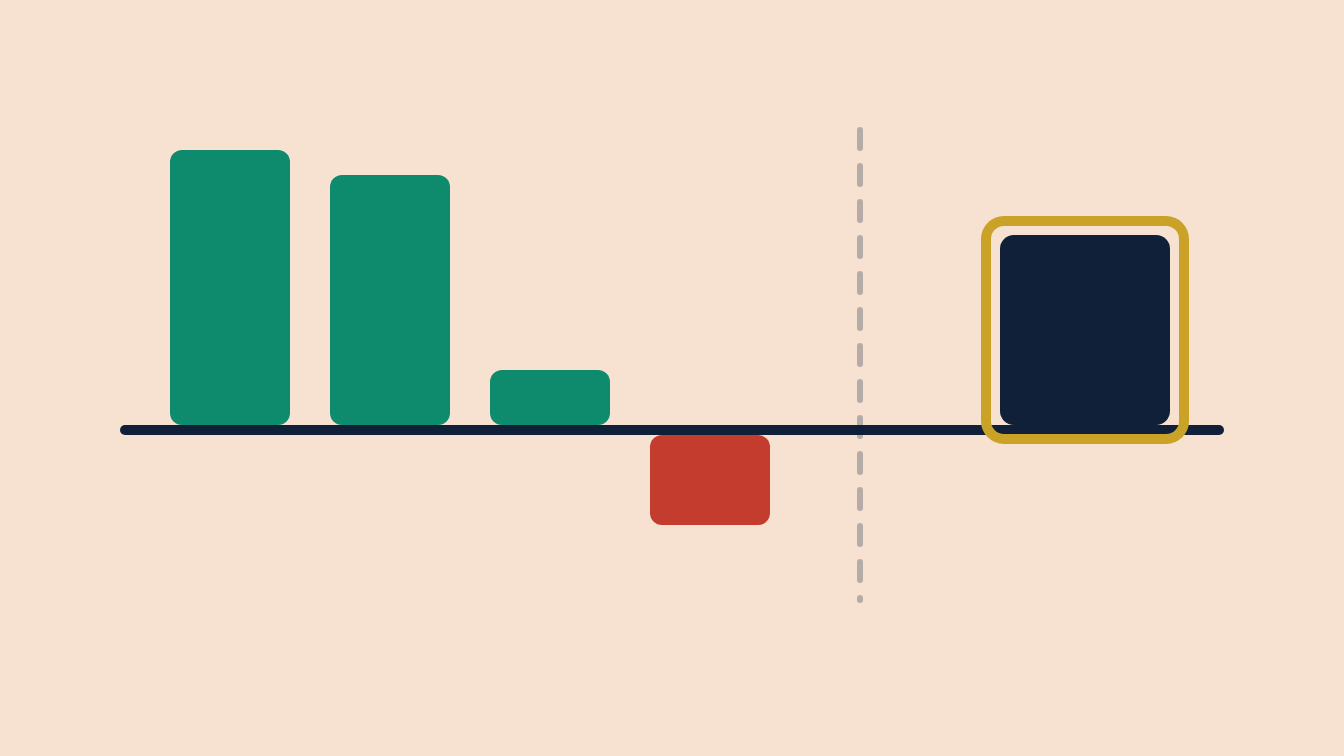
One dot per official, four times a year. Count the dots against the range in force the day they were drawn, and read the median last.

One dot per official, four times a year. Count the dots against the range in force the day they were drawn, and read the median last.
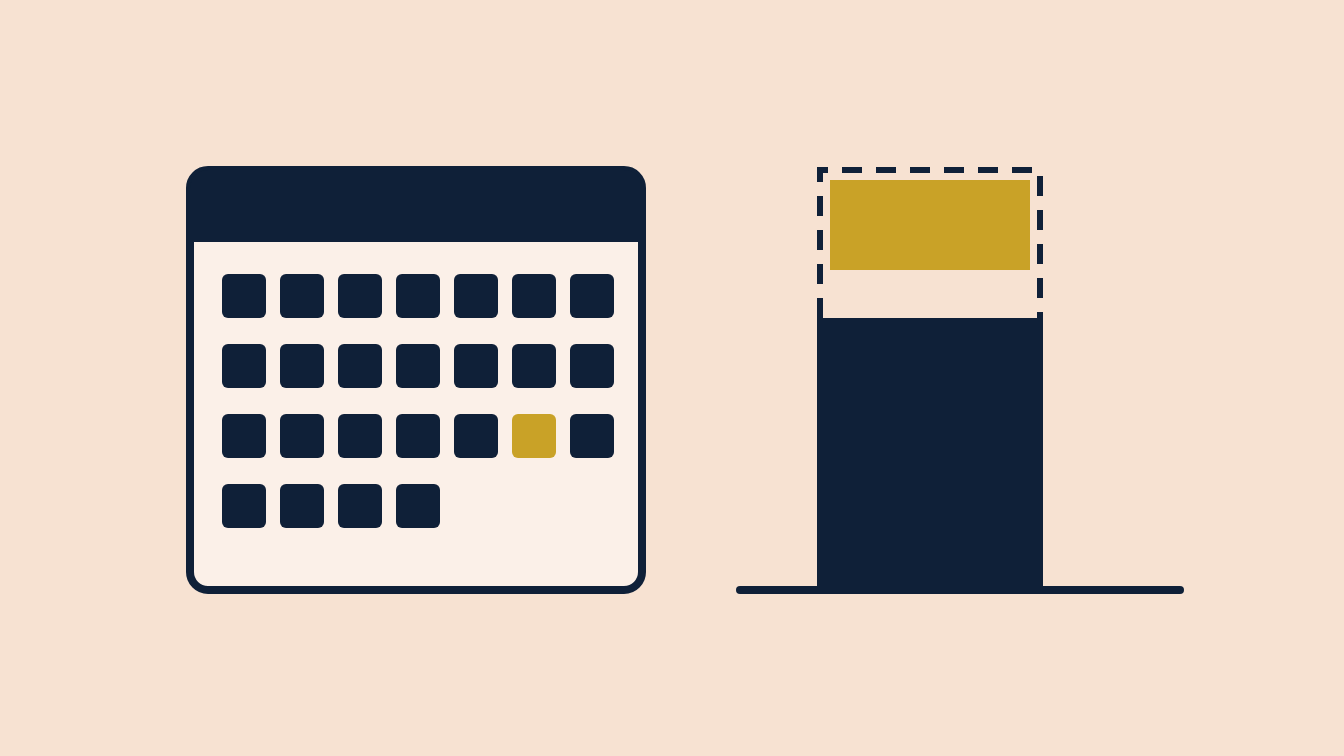
Oil and Treasury yields eased and stocks rebounded. Jobless claims fell to 196,000, and the time of year explains most of the raw drop.
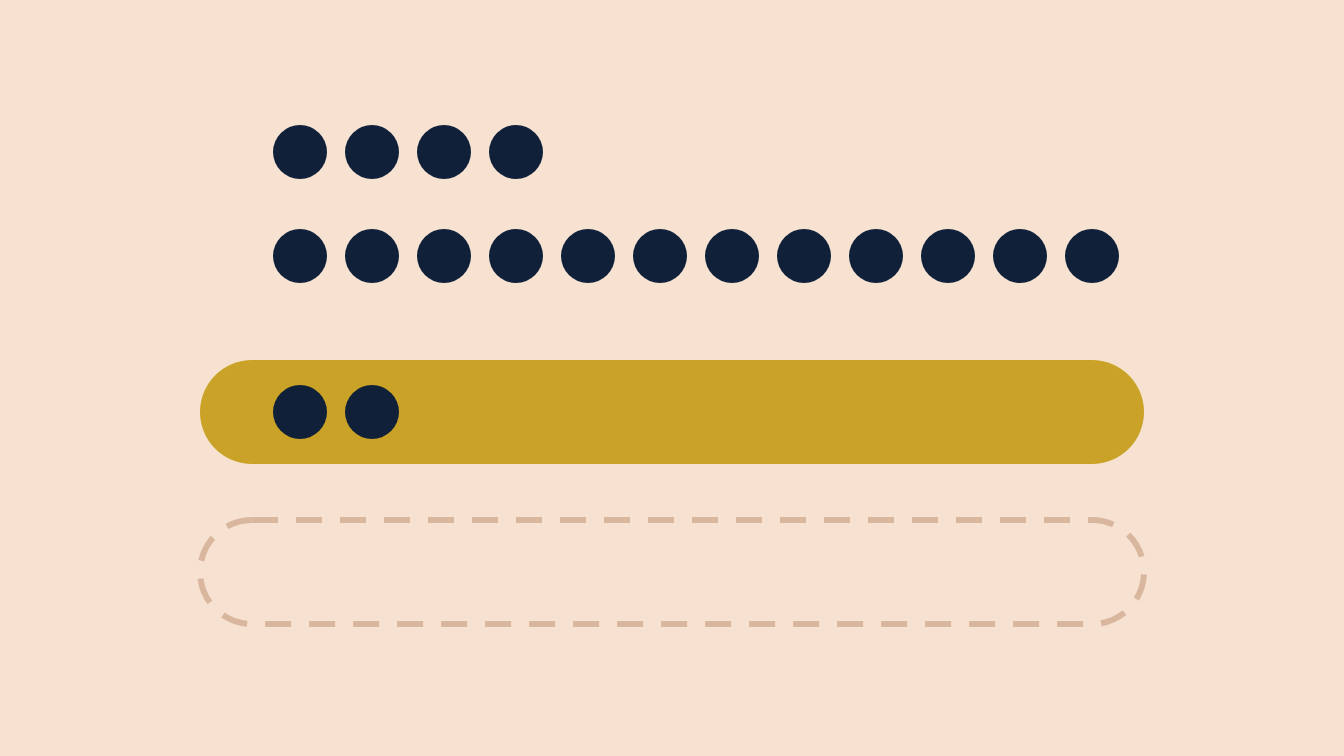
A 12–0 vote, the first rise since July 2023. Read the new dots against the new range: 16 of 18 officials see December's rate above it.
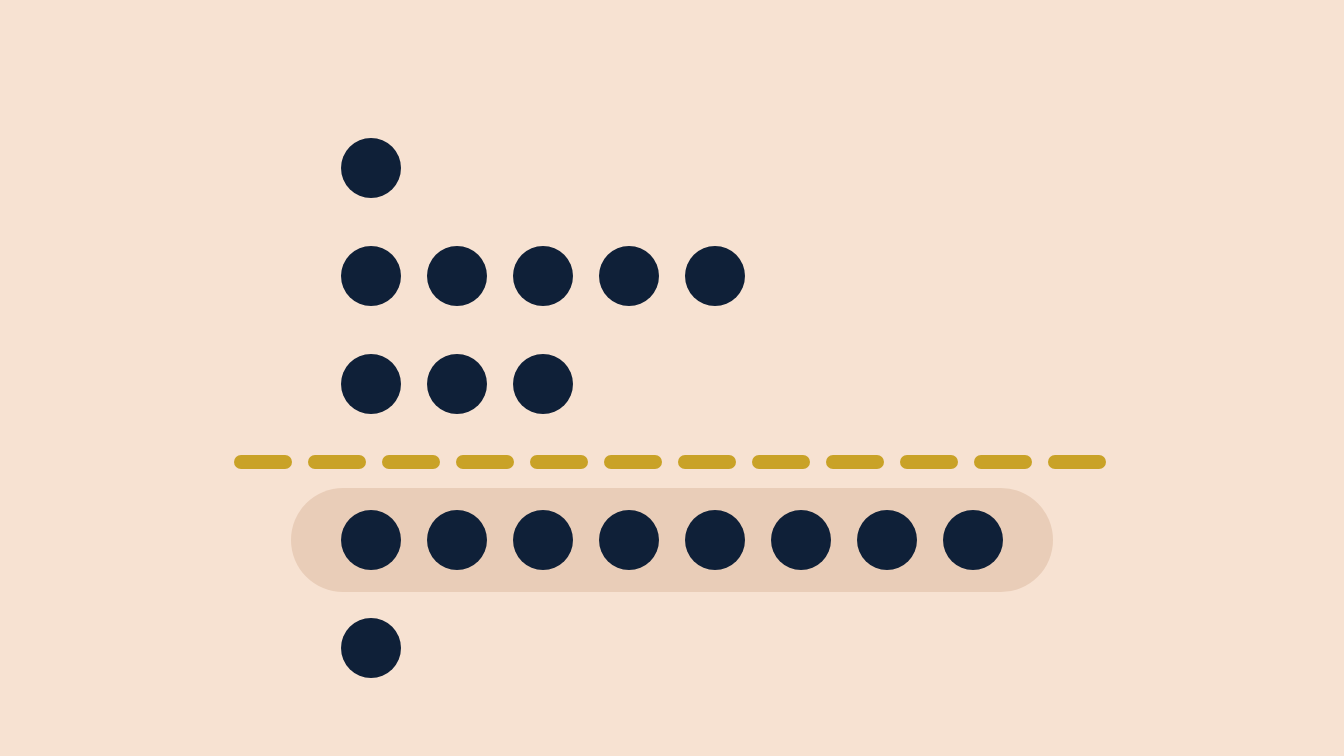
The 10-year Treasury yield closed at 5.00% before today's Fed decision. How to read the 2 p.m. dot plot: count the dots, not only the median.
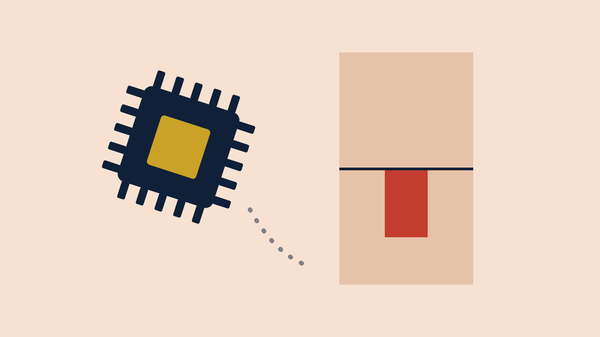
An AI slowdown call from the labs themselves, Brent past $109 and a Fed expected to raise on Wednesday, plus the options market's price for a normal day.
CPI, PCE and PPI measured the same July and printed three different rates. What each one asks, why they disagree, and which one carries the Fed's target.
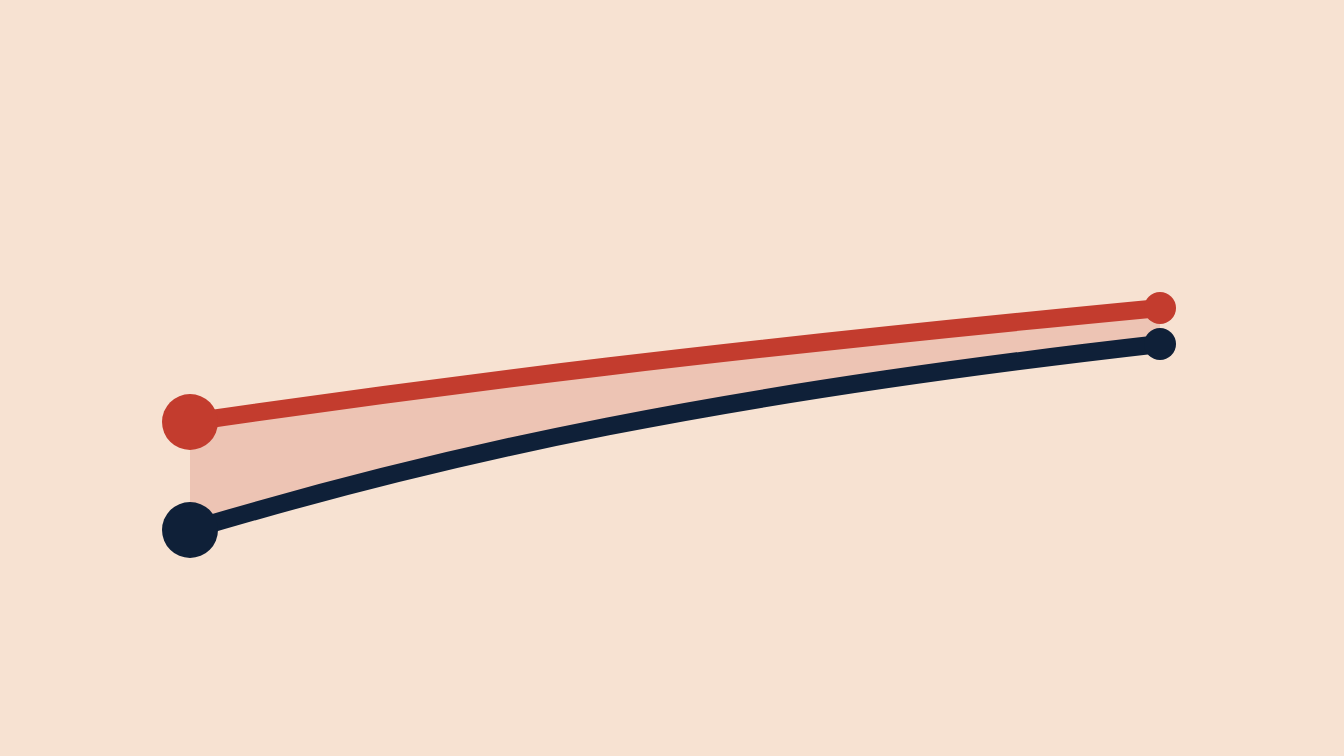
August consumer prices, Friday's rebound inside a losing week, and a Treasury curve that moved most where the Fed's next few meetings live.
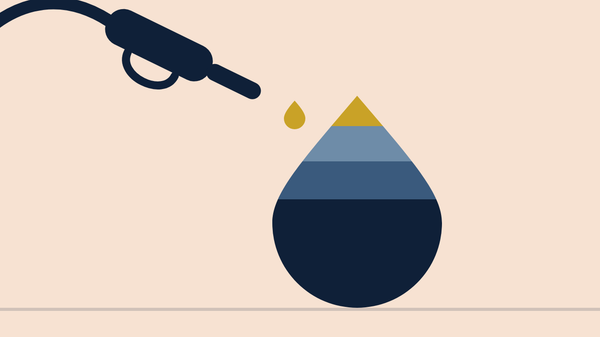
Brent closed at $101.21 on Wednesday, back above $100 for the first time since July. Crude is about half the price of a gallon, so the pump moves less.
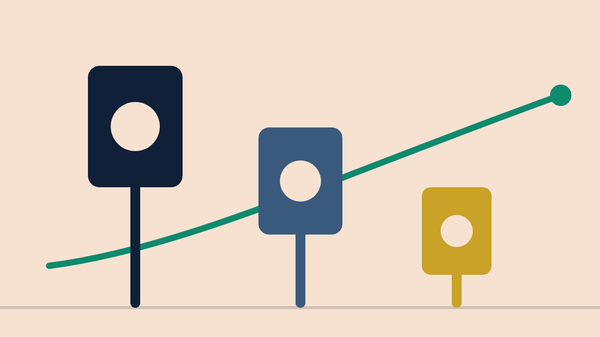
The Dow fell 628 points on Tuesday and Brent went above $100 this morning. In between, the Treasury sold $58bn of three-year notes at 4.474%.
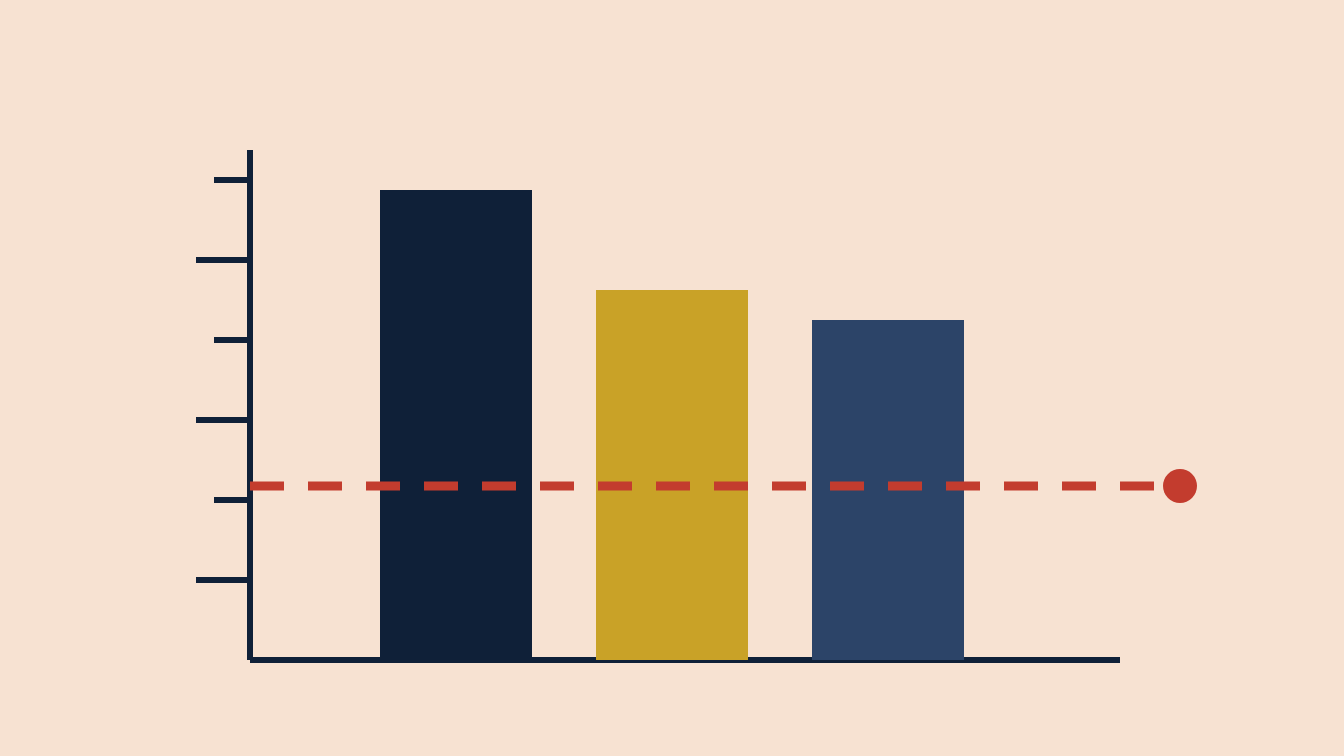
Wall Street reopens with oil near six-week highs. July inflation reads 3.4% on the CPI, 3.7% on the PCE index and 4.7% on the PPI.

US payrolls rose 162,000 in August against about 53,000 expected, with June and July revised up 55,000. New York and Toronto are shut for Labor Day.
Purchasing managers answer better, same or worse. How that becomes one number, why 50 is the line, and why the headline can hide a part below it.
The services survey rose to 55.4 on its best activity reading since 2022, while its own employment component stayed below 50. Waller hinted at a hold.
Canada held at 2.25% a seventh time but dropped ‘remains appropriate’; the loonie rose. S&P 500 +0.5% as yields paused and ADP hiring slowed to 38,000.
ISM’s factory gauge fell to 54.6 from 55.6, an eighth month above 50; Brent rose 4.6% on new US strikes on Iran and the S&P 500 fell 0.7%.
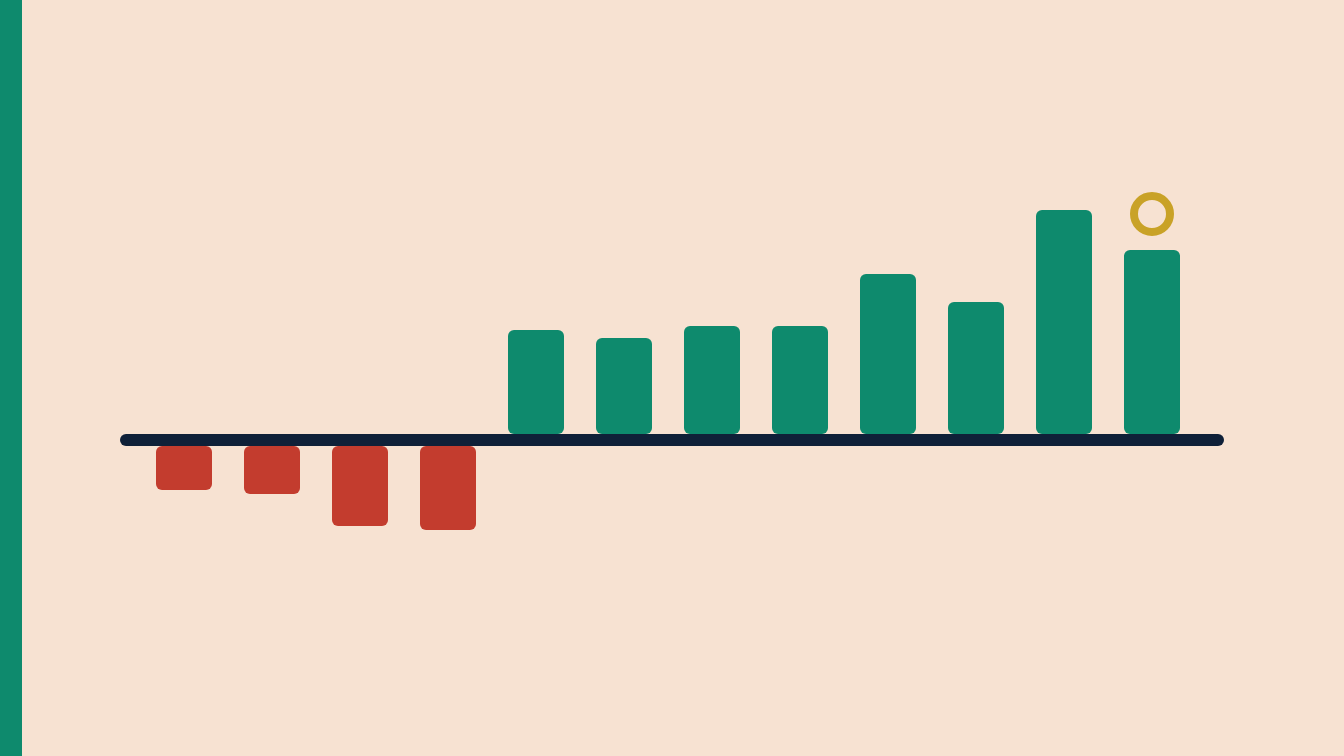
US–Iran strikes lifted oil; the S&P 500 fell 0.3% and the 10-year yield closed at its highest since January 2025, yet every board finished August higher.
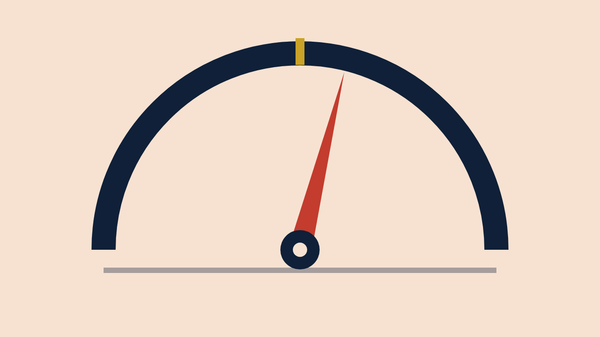
Warsh said the Fed's focus 'should be on prices'; September hike odds went from 35% to 57%, the 2-year jumped, stocks slipped. Oil above $91 on Iran.
evergreen
Same 500 companies, 0.2% each. How the equal-weight S&P 500 shows whether a rally belonged to the market or to a few giants.
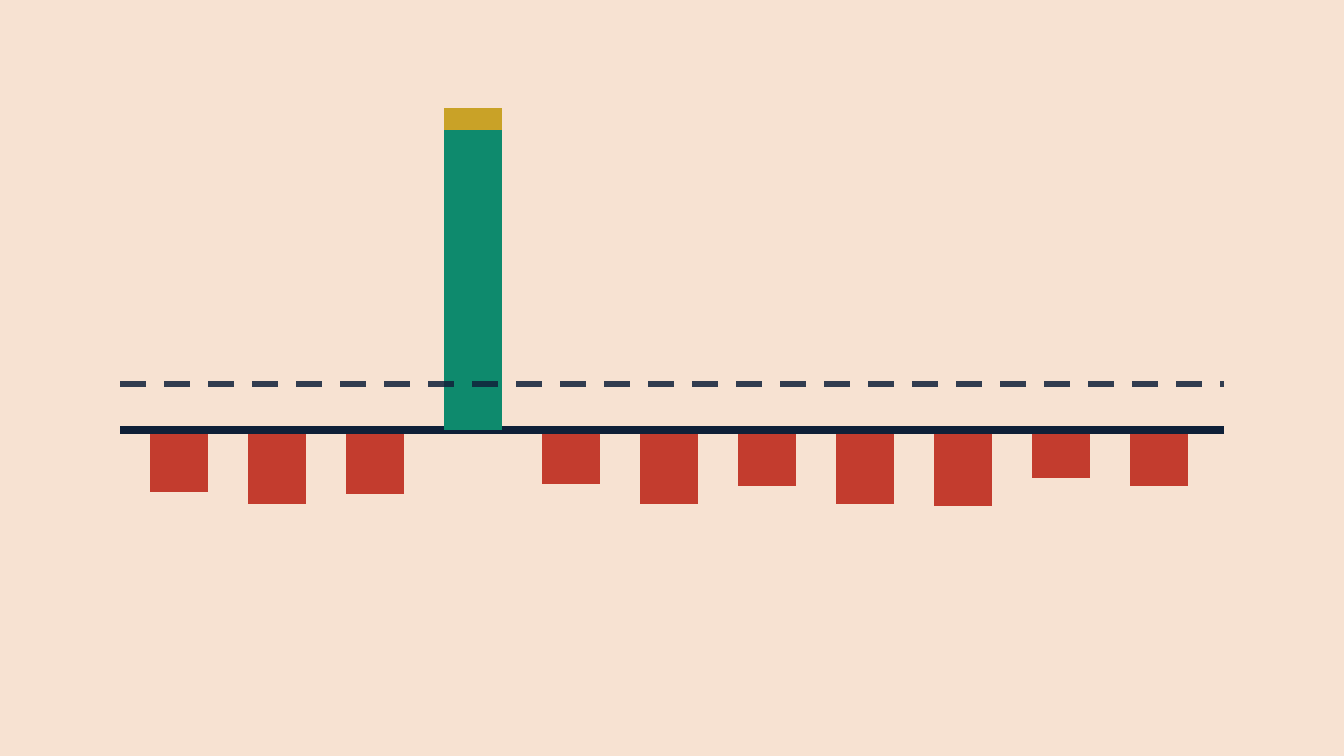
Nvidia's 8.7% jump carried the S&P 500 up 0.7% while the equal-weight index fell 0.3% and ten of eleven sectors closed lower. Warsh speaks at 10 a.m. ET.
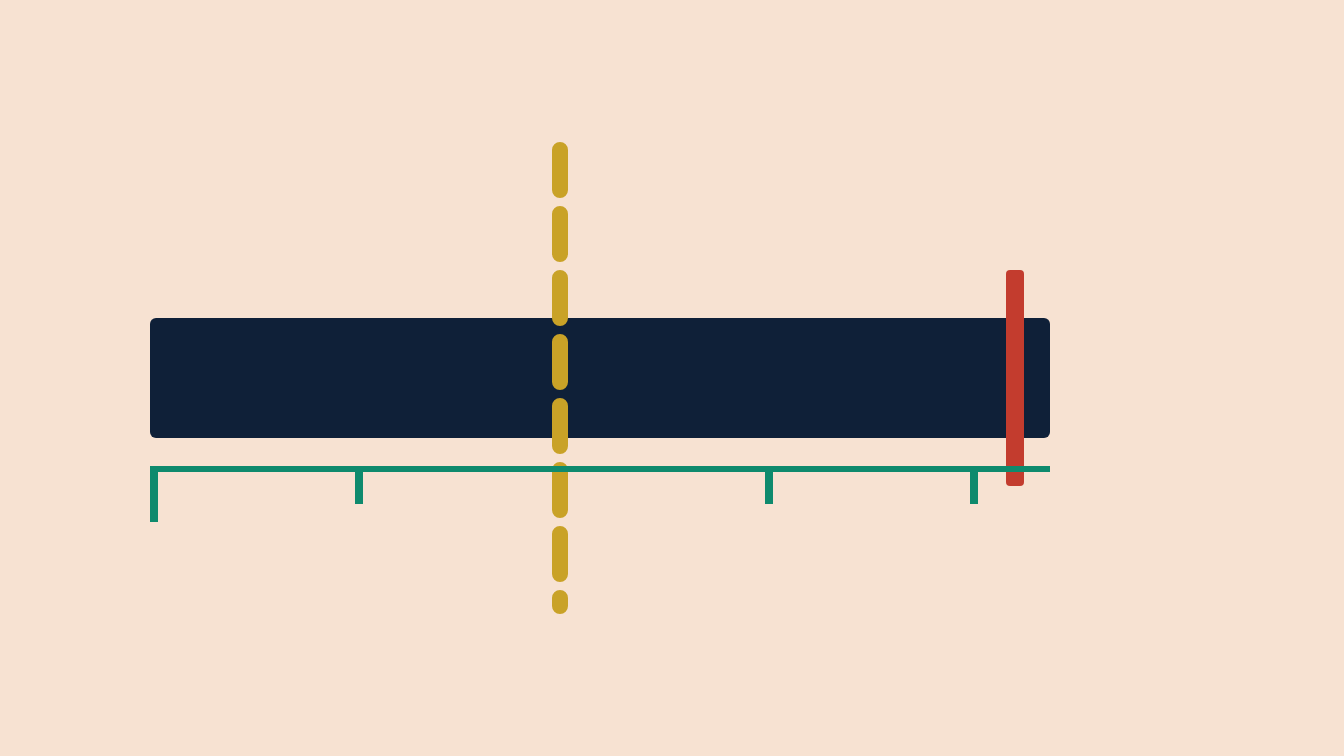
PCE 3.7% beat by a tenth, core 3.3% in line, the boards closed flat. After the bell Nvidia guided $108bn and 70% growth next year. Warsh speaks Friday.
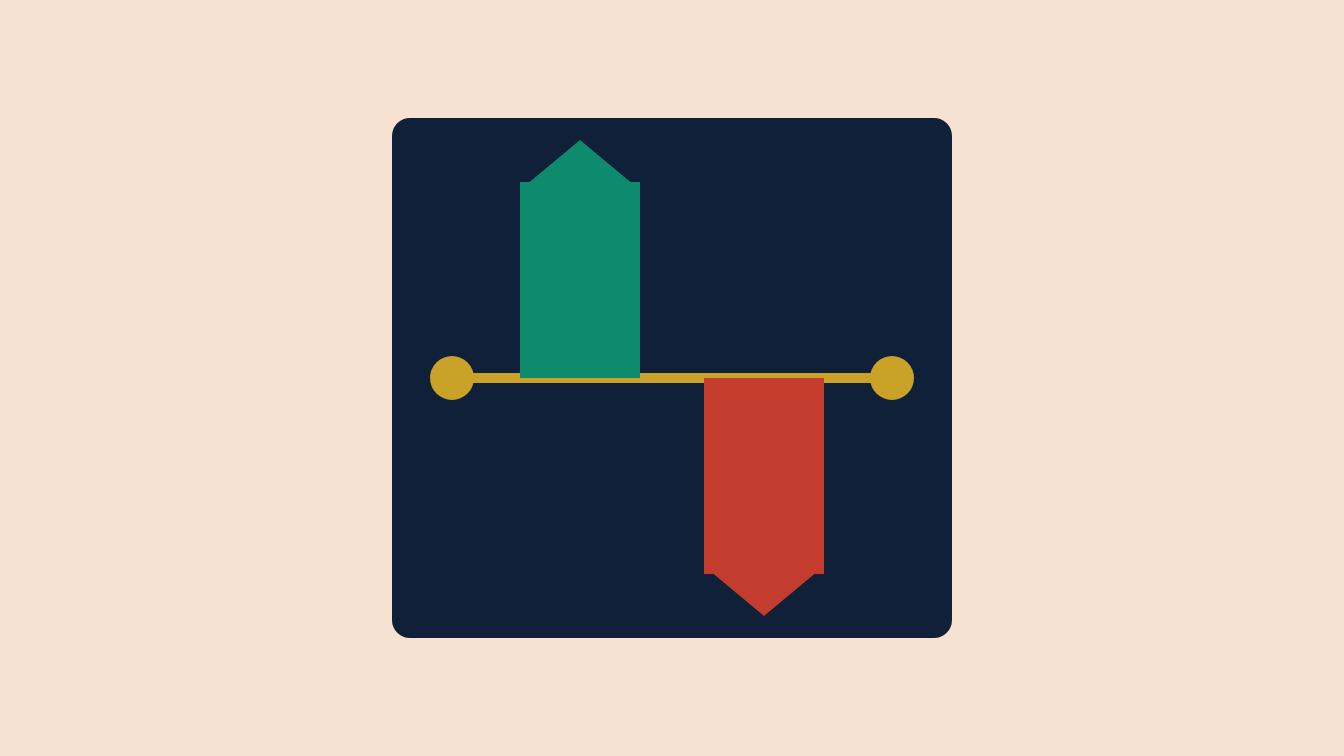
Confidence hit a seven-month low while the 'present' half jumped; stocks rose anyway as oil and yields fell. PCE at 8:30, Nvidia after the close.
Chip stocks led Monday's slide ahead of Nvidia's results; a Treasury cash-account report eased yields; new sanctions on Iran, new tariffs on Canada.
Trump's 50% tariffs on about $20 billion of Canadian goods took effect Saturday; Ottawa matches on 8 September. Plus a booming PMI and bitcoin's 22% week.
Long yields climbed back, oil rose on an Iran threat, Walmart fell 9% on a sales miss, and the S&P 500 lost 0.9% — its worst day in three weeks. Decoded.